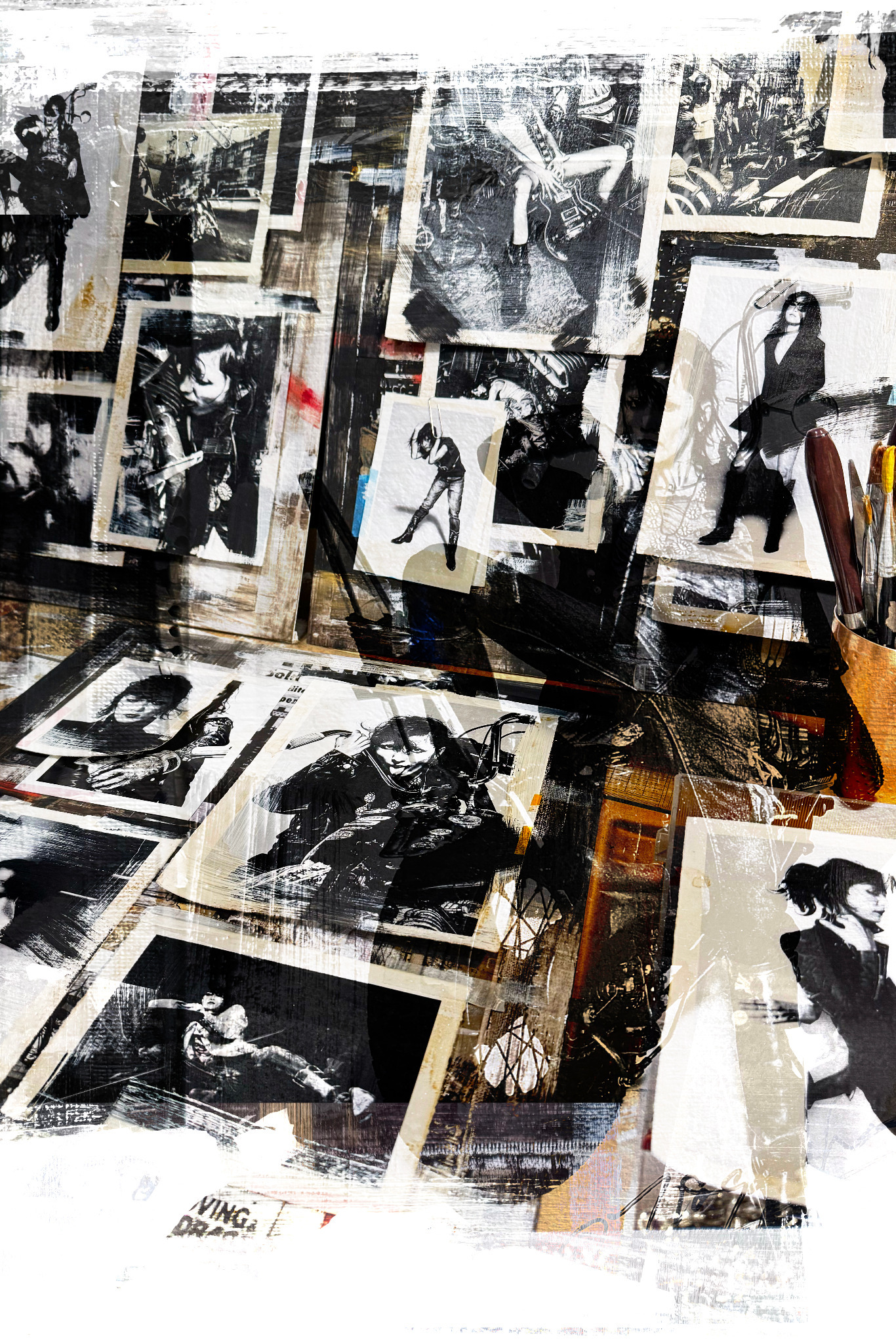
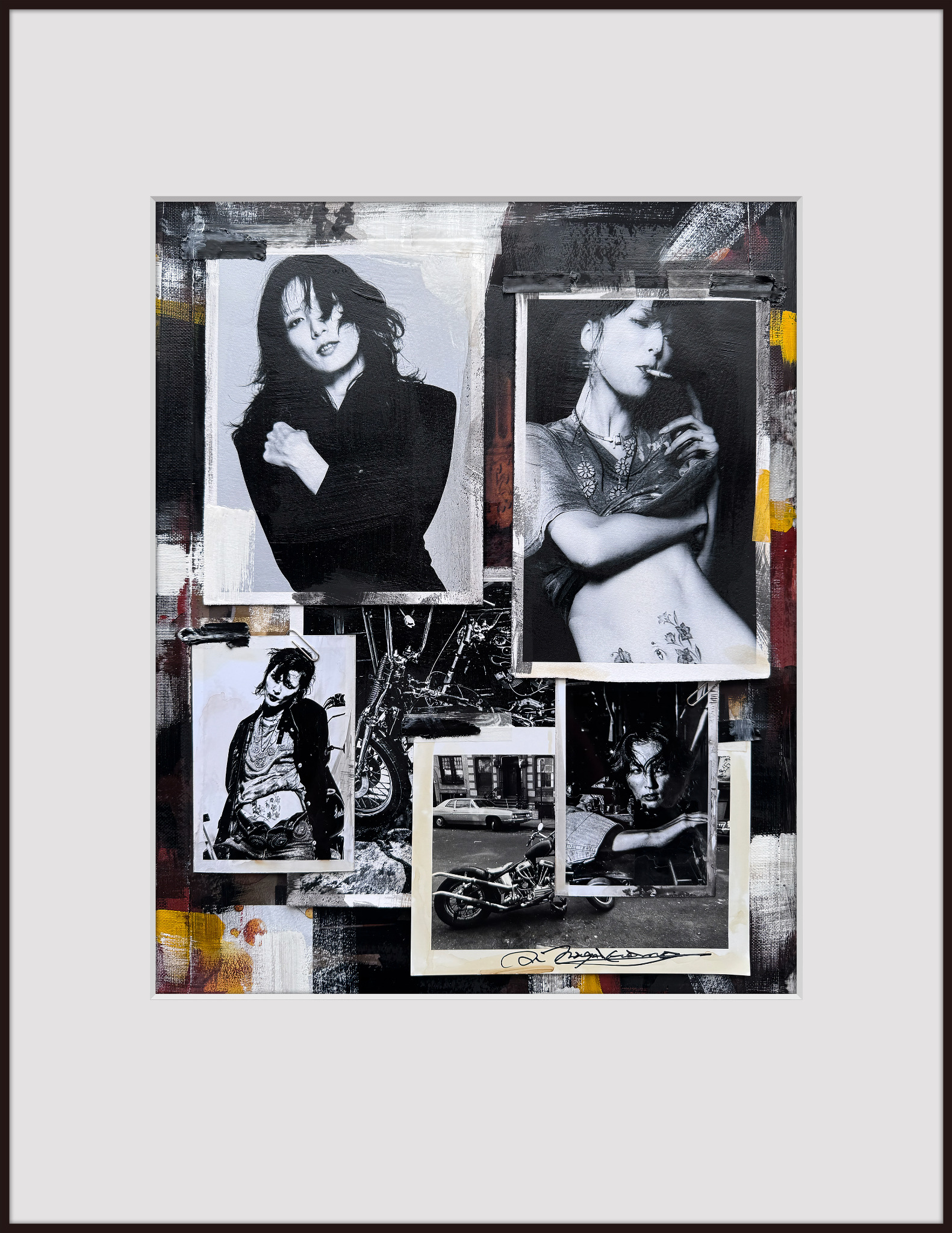
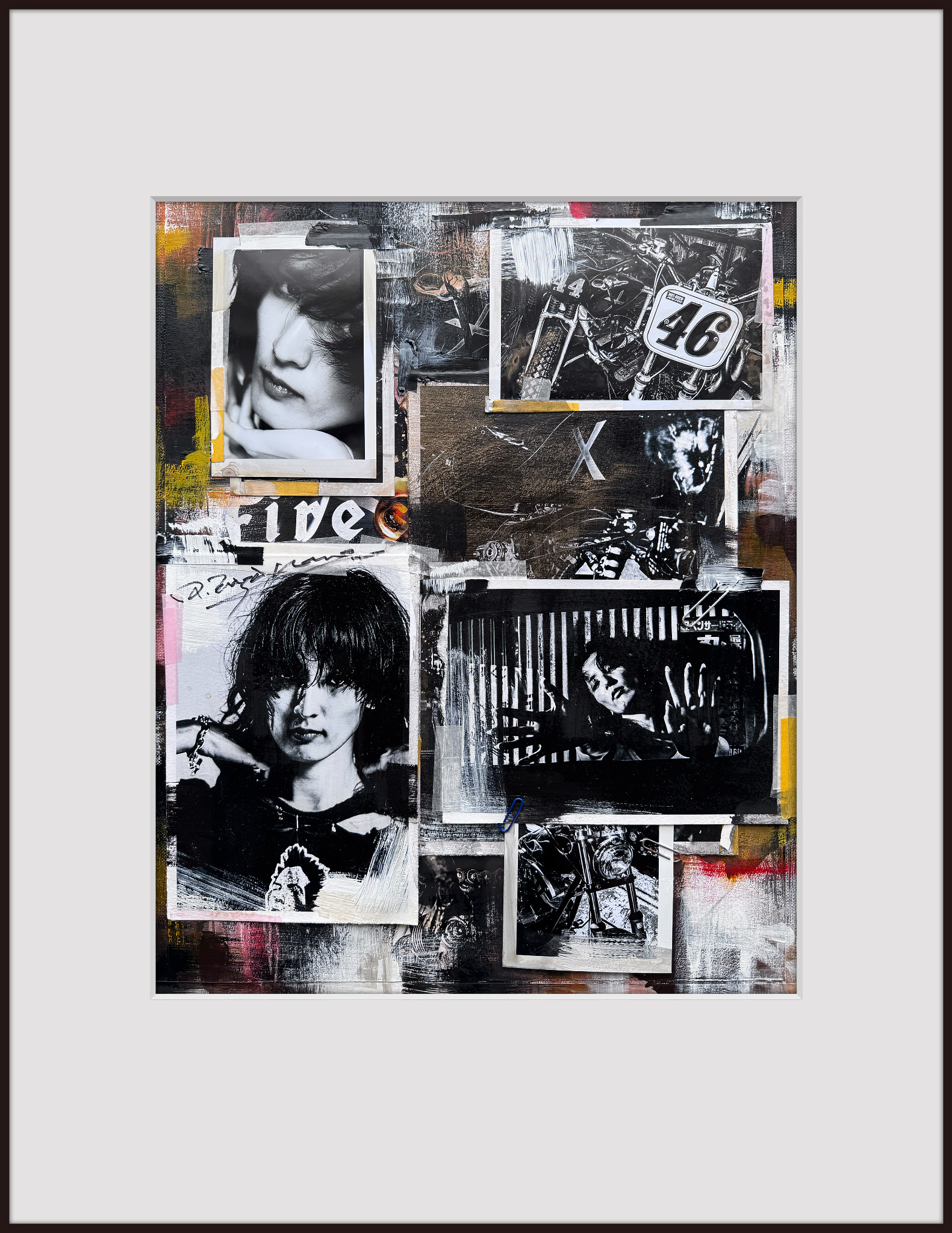
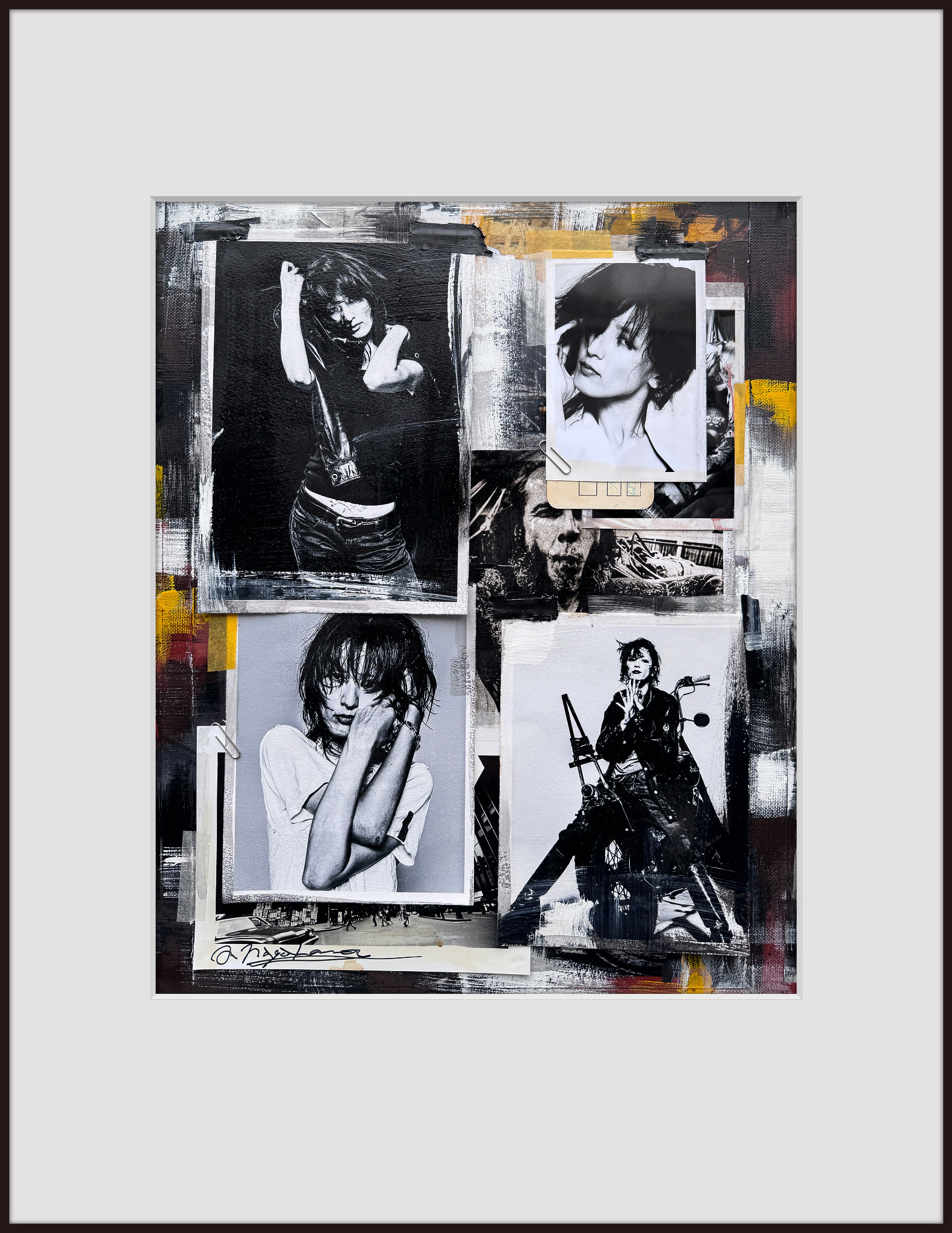
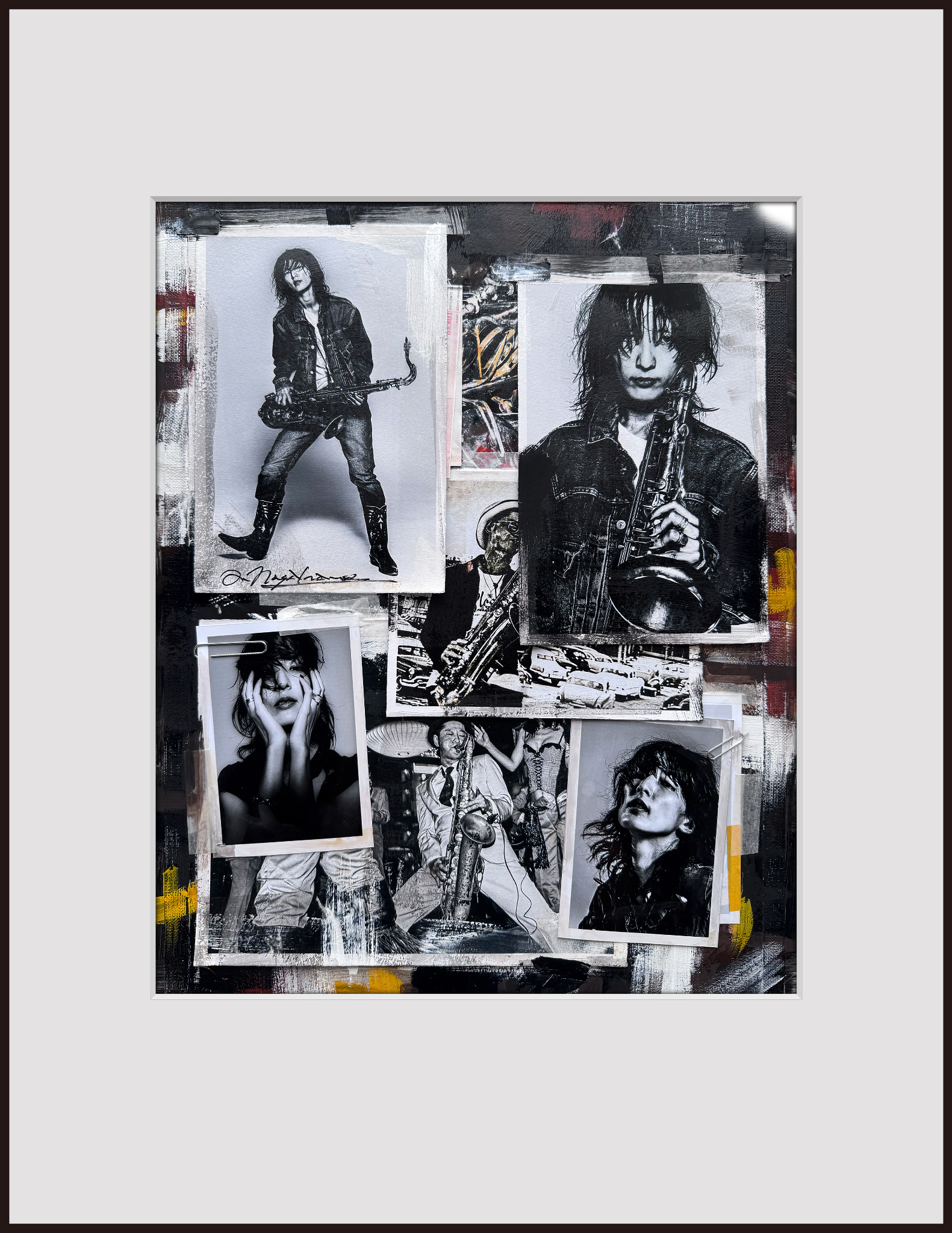
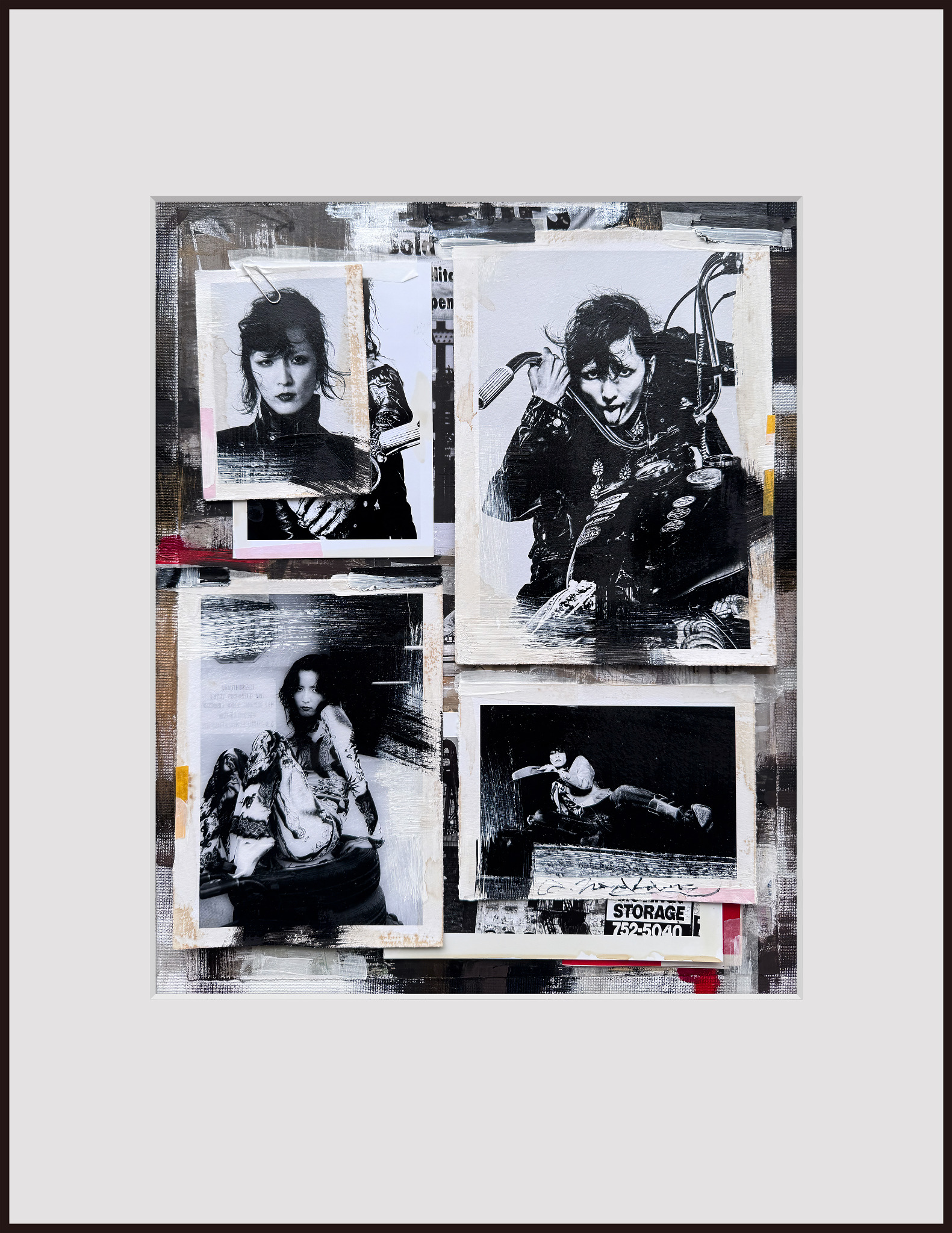
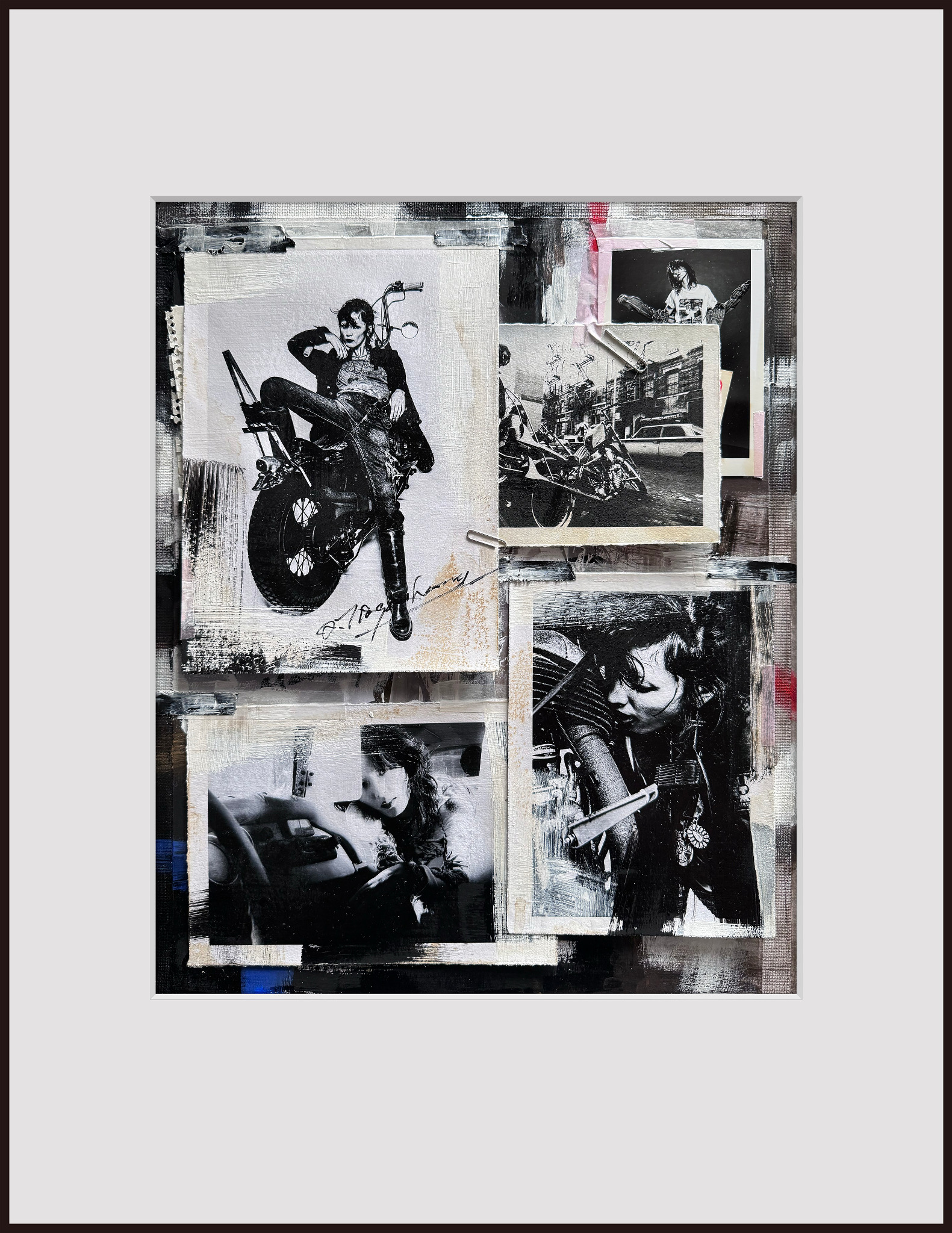
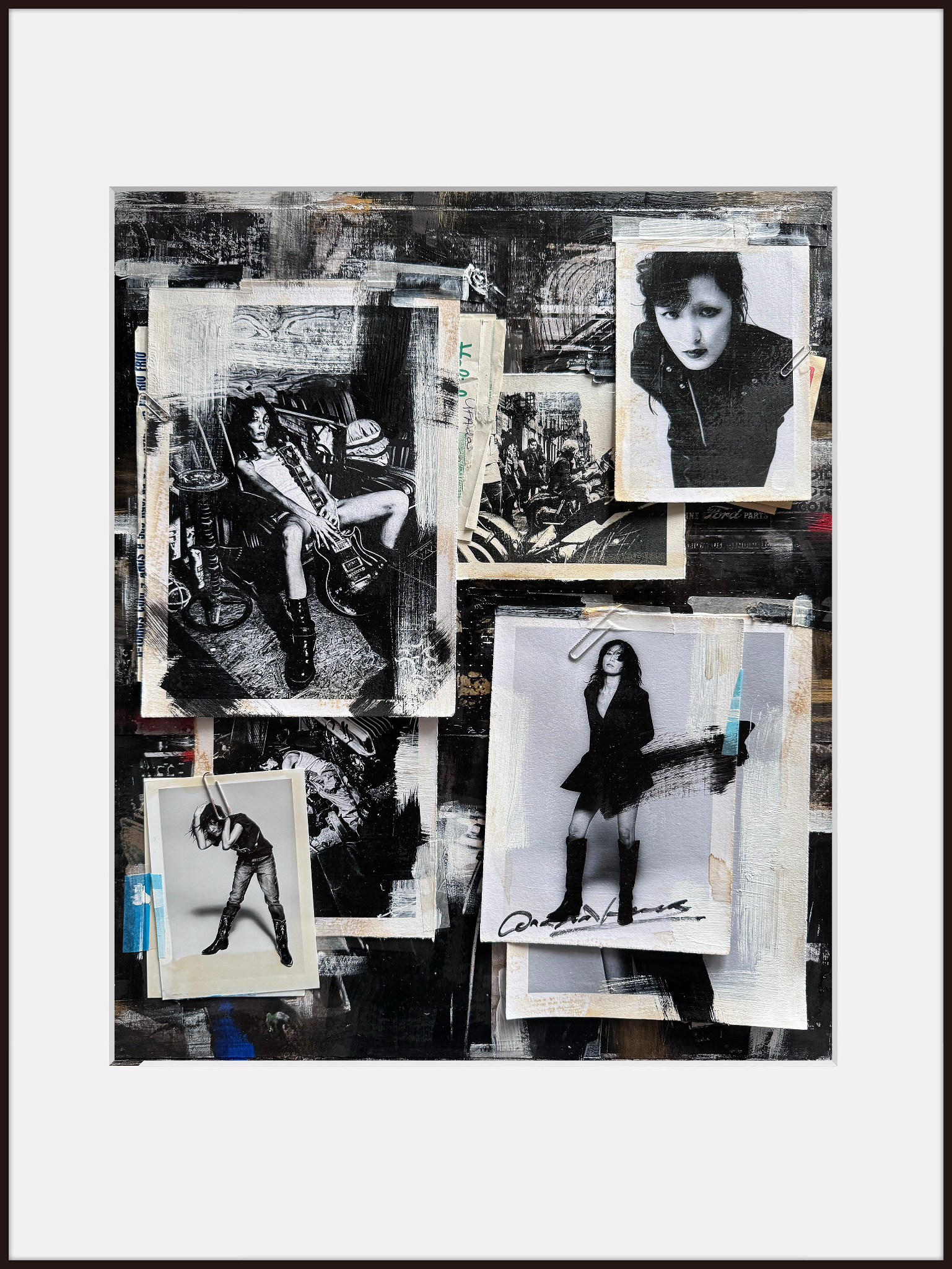
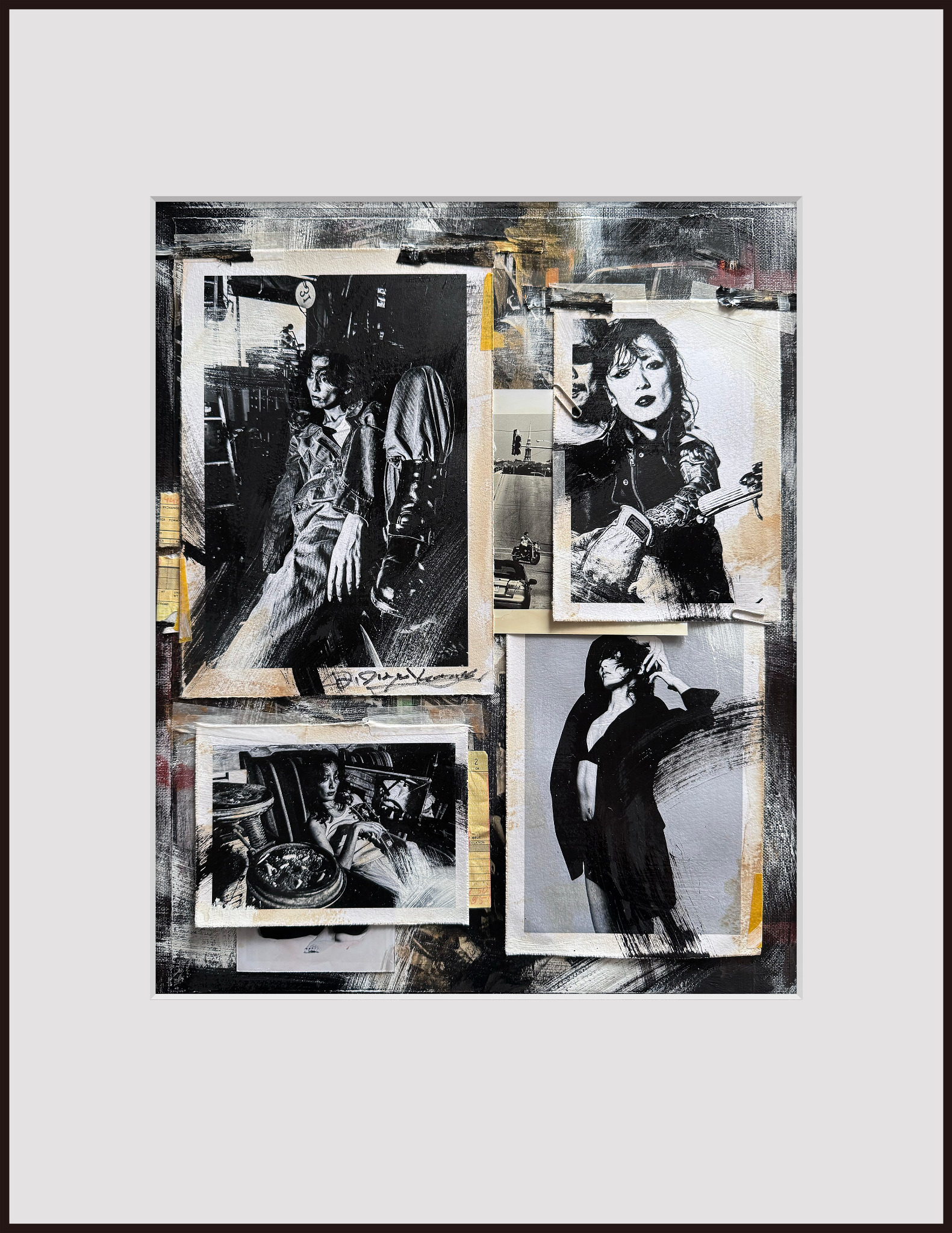
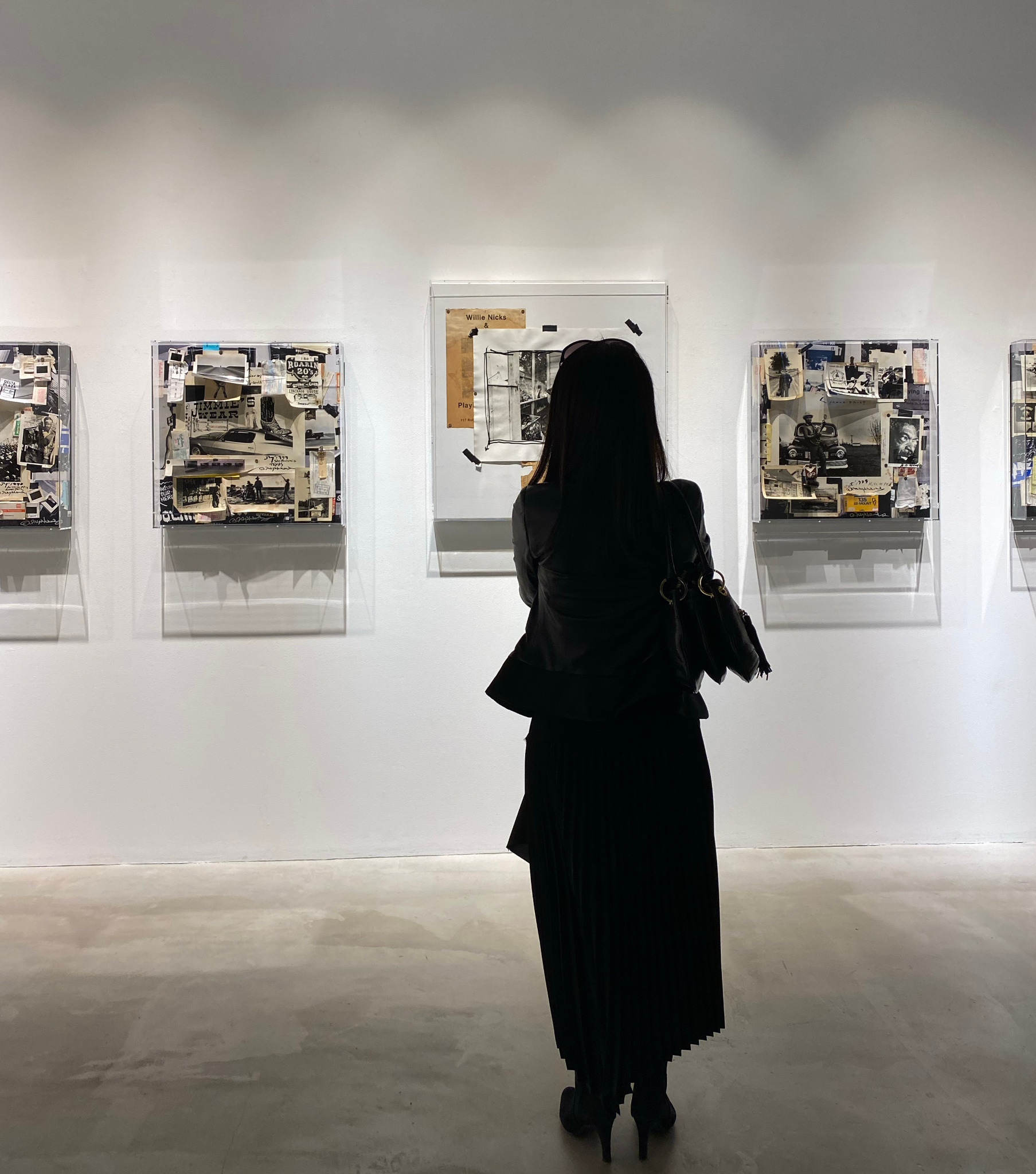
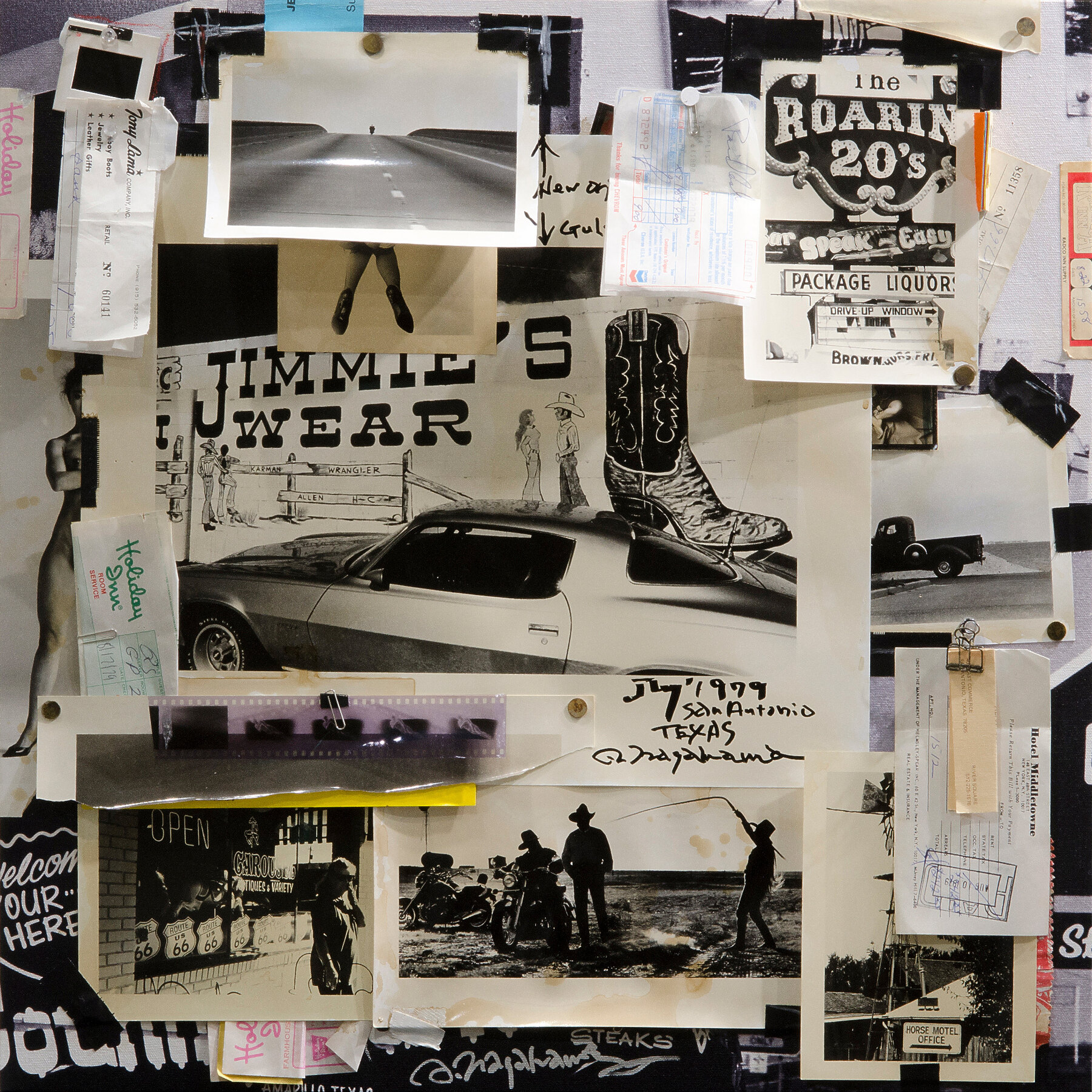
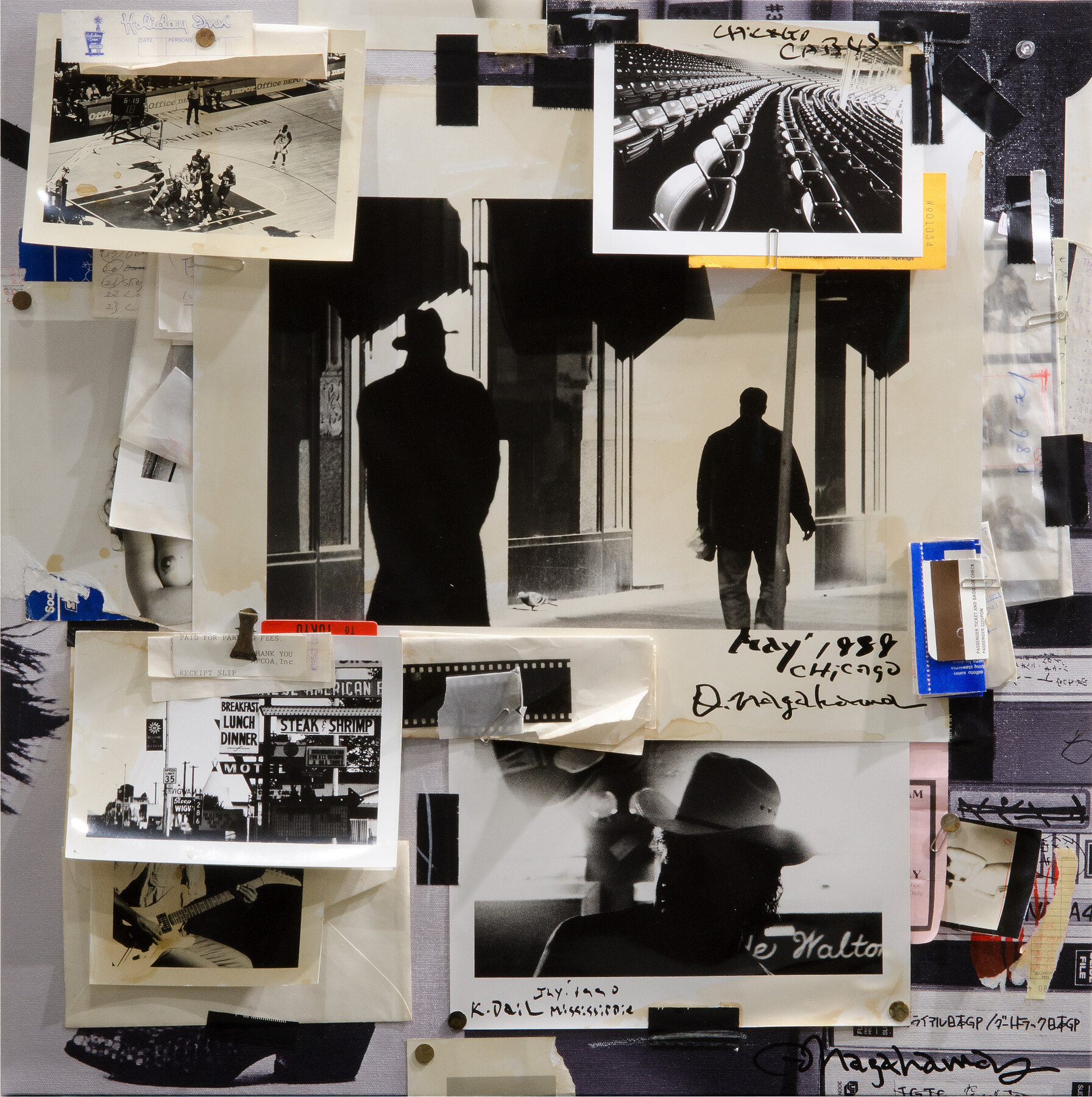
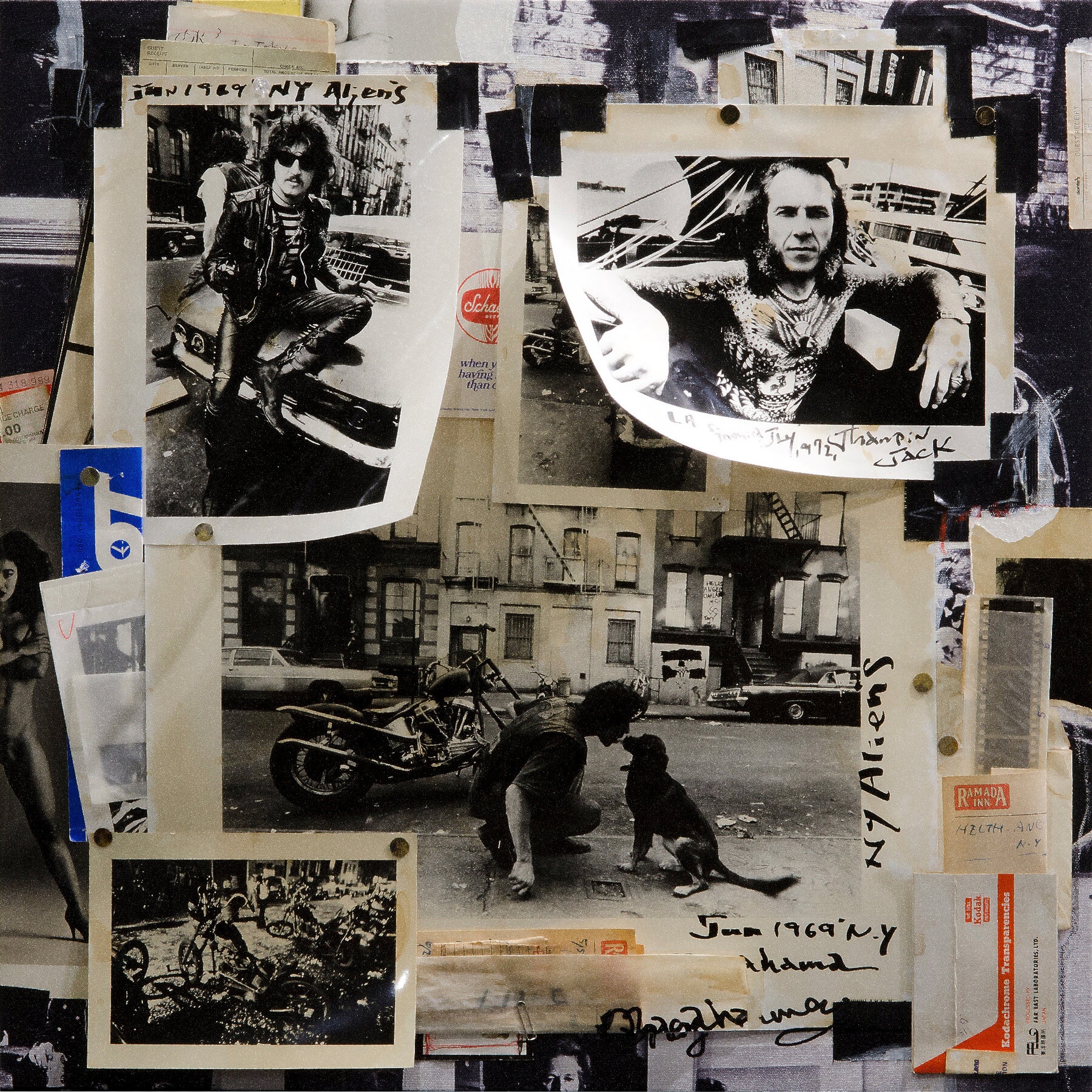
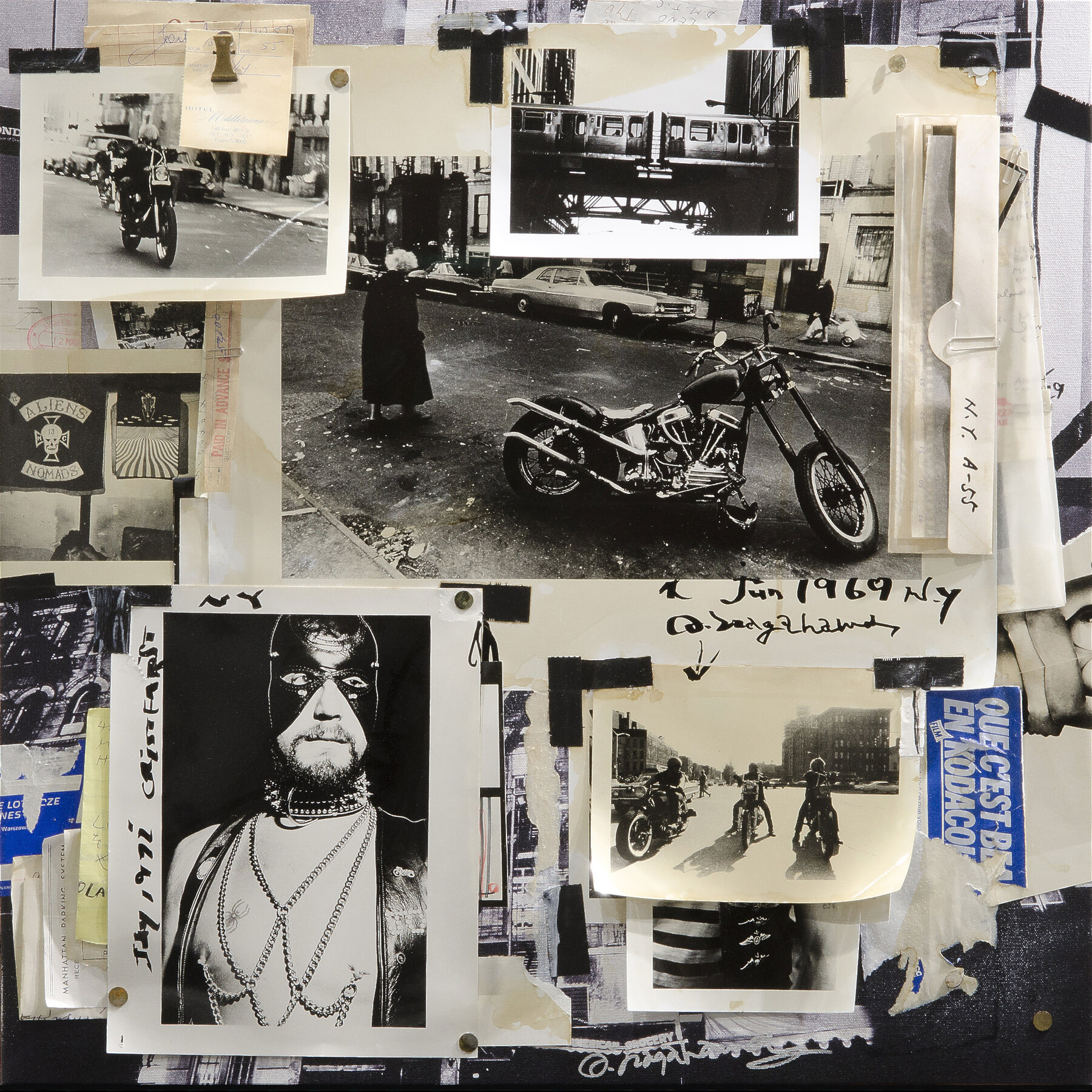
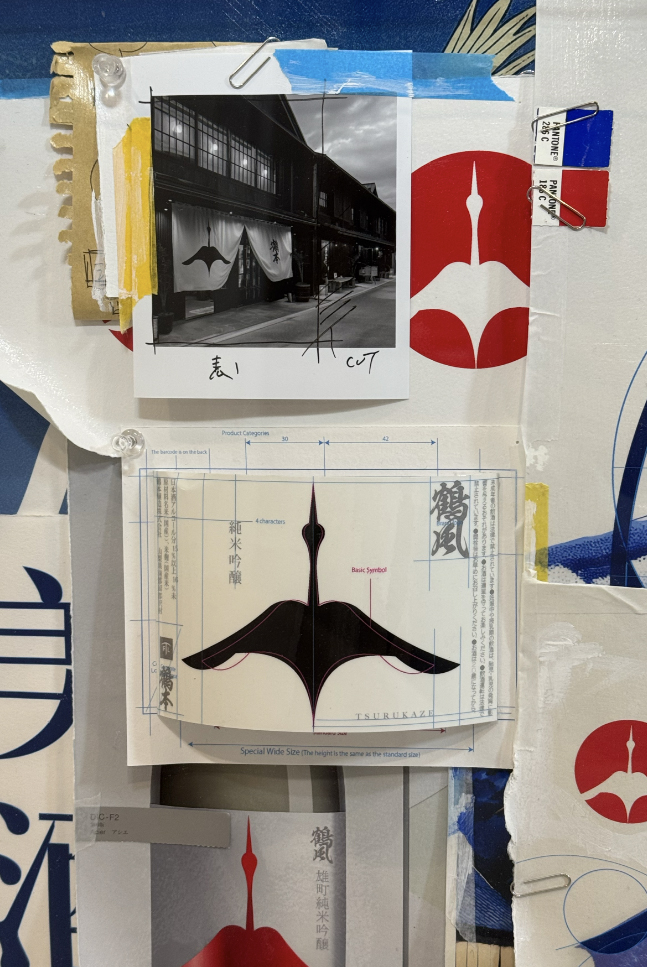
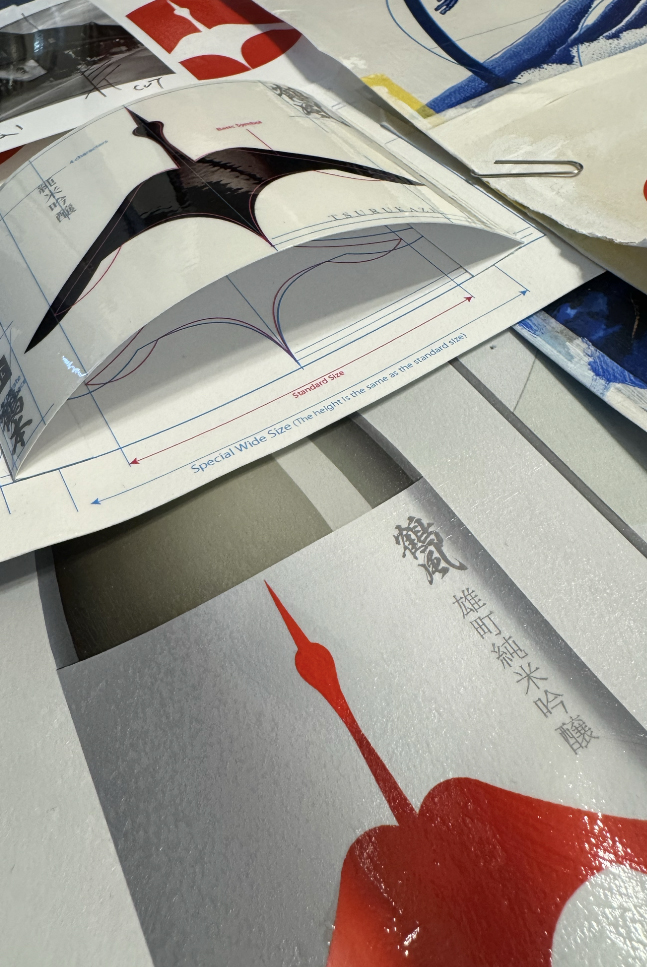
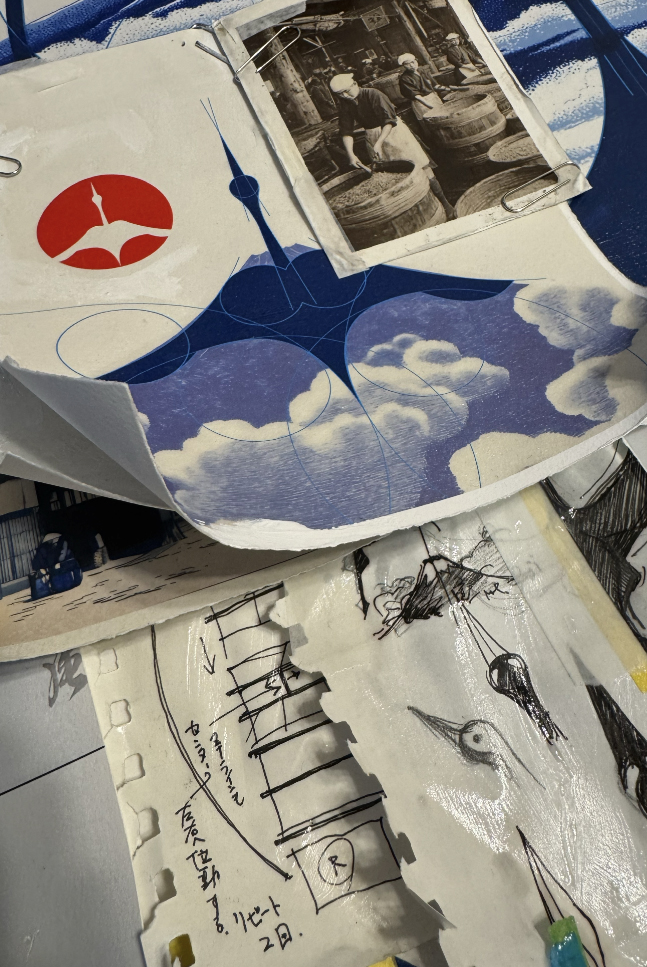
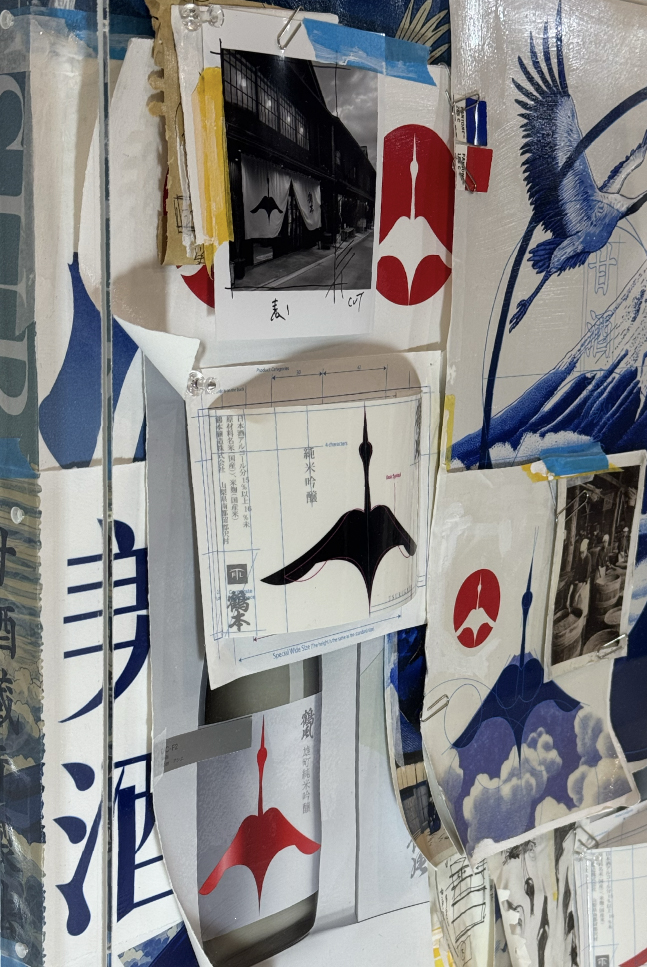
西麻布にある長濱写真事務所を初めて訪れたとき、私はその空間から立ち上がる圧倒的な力に息をのんだ。2019年7月に50周年を迎えたその事務所の壁には半世紀にわたる長濱治氏の創作と挑戦の痕跡が幾層にも積み重なっていた。何十年もの間壁に貼られ、時間とともに変色し変形した無数のプリント。紙と薬品の匂い。密度をもった空気。窓の外を流れていく車の音。過去と現在が同時に存在しているようなその場所に立ち私は直感した。この写真事務所そのものが時間と空間を超えて生まれた誰にも再現することのできない一つのアートなのだと。
長濱治氏は1960年代から世界の表舞台とその裏側を撮り続けてきた日本を代表する写真家の一人である。その写真には歴史的な出来事や人物だけでなく、時代を包んでいた空気や人々の生き方、光の温度、街の匂いまでもが刻み込まれている。長濱氏の写真と向き合うことはその写真が生まれた時間と場所に自分自身の感覚を重ねていくことでもあった。この制作で私が試みたのは長濱氏の分身ともいえる写真事務所に蓄積された時間と空間を解体し作品として再構成することだった。過去と現在、時間と空間、光と影。異なる記憶の断片を一つの画面の中で交差させ新たな時間を生み出していった。
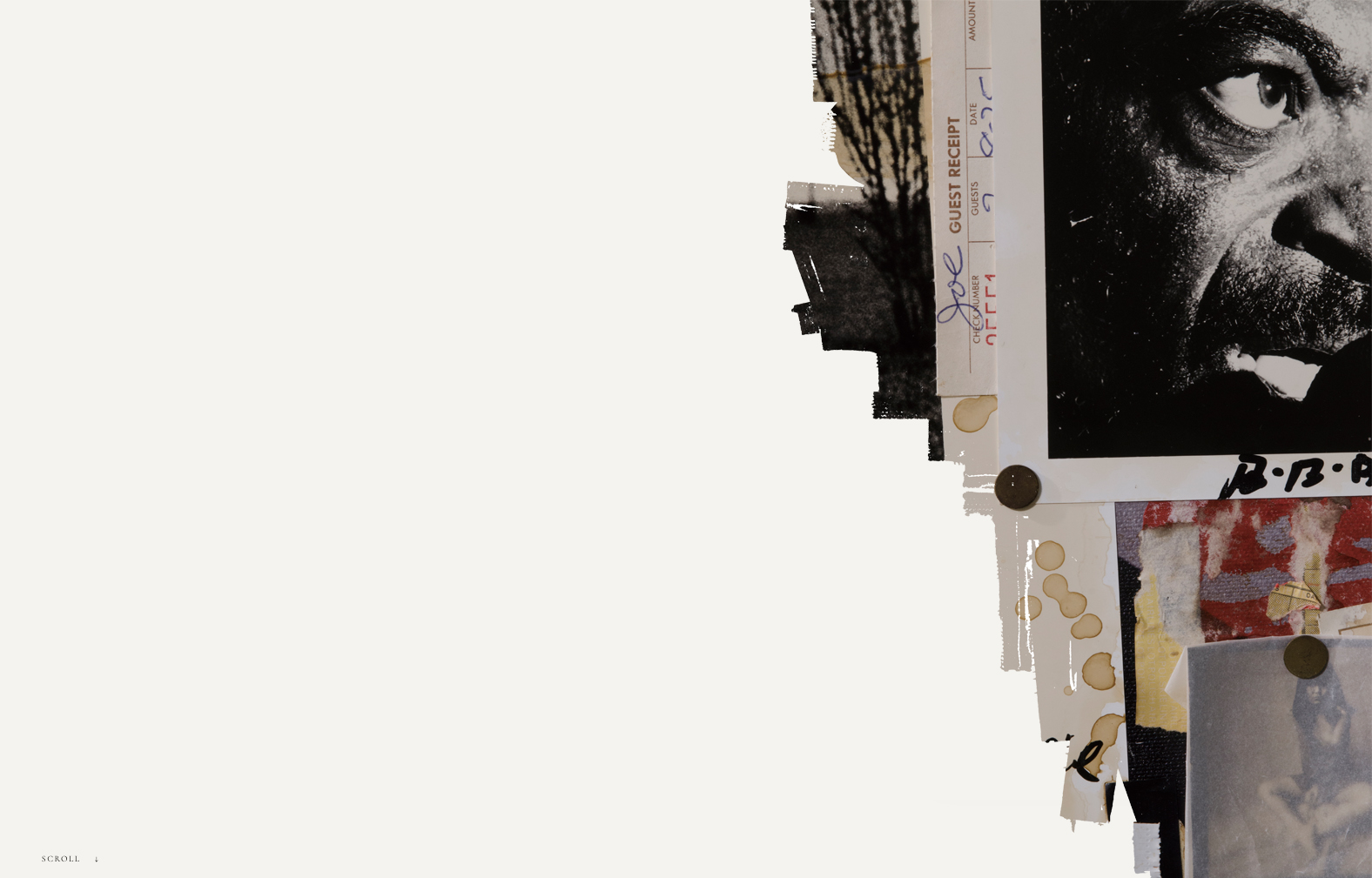
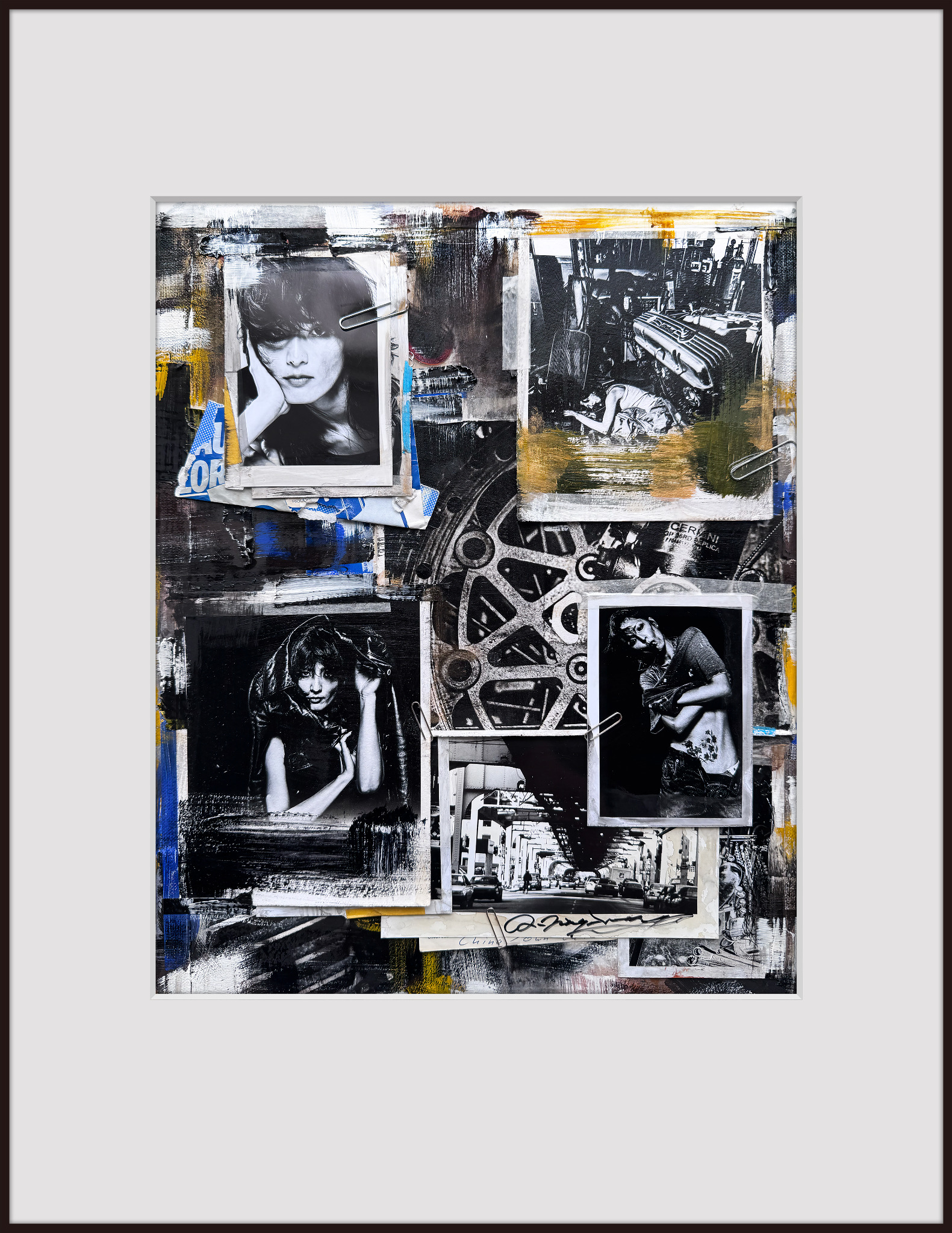
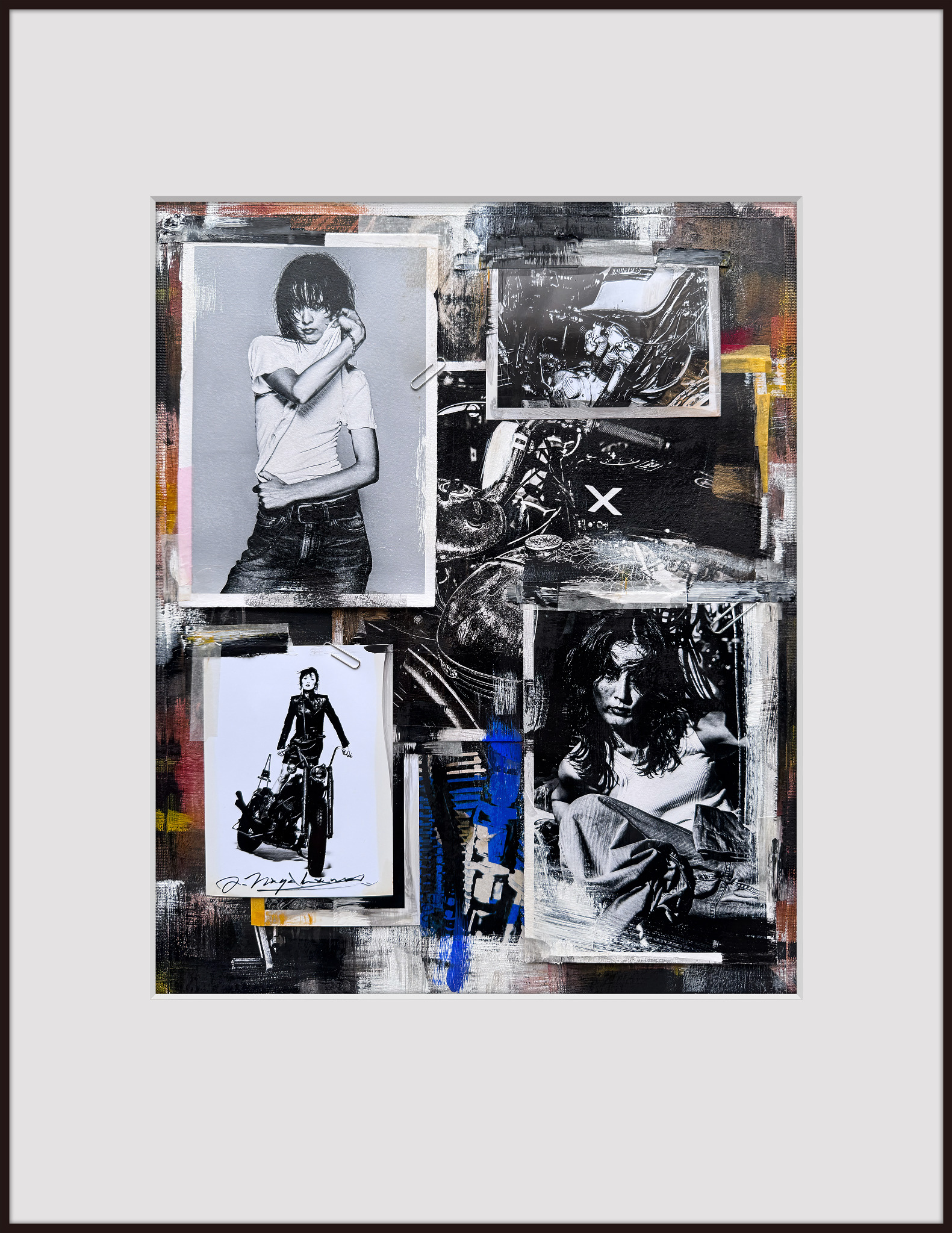
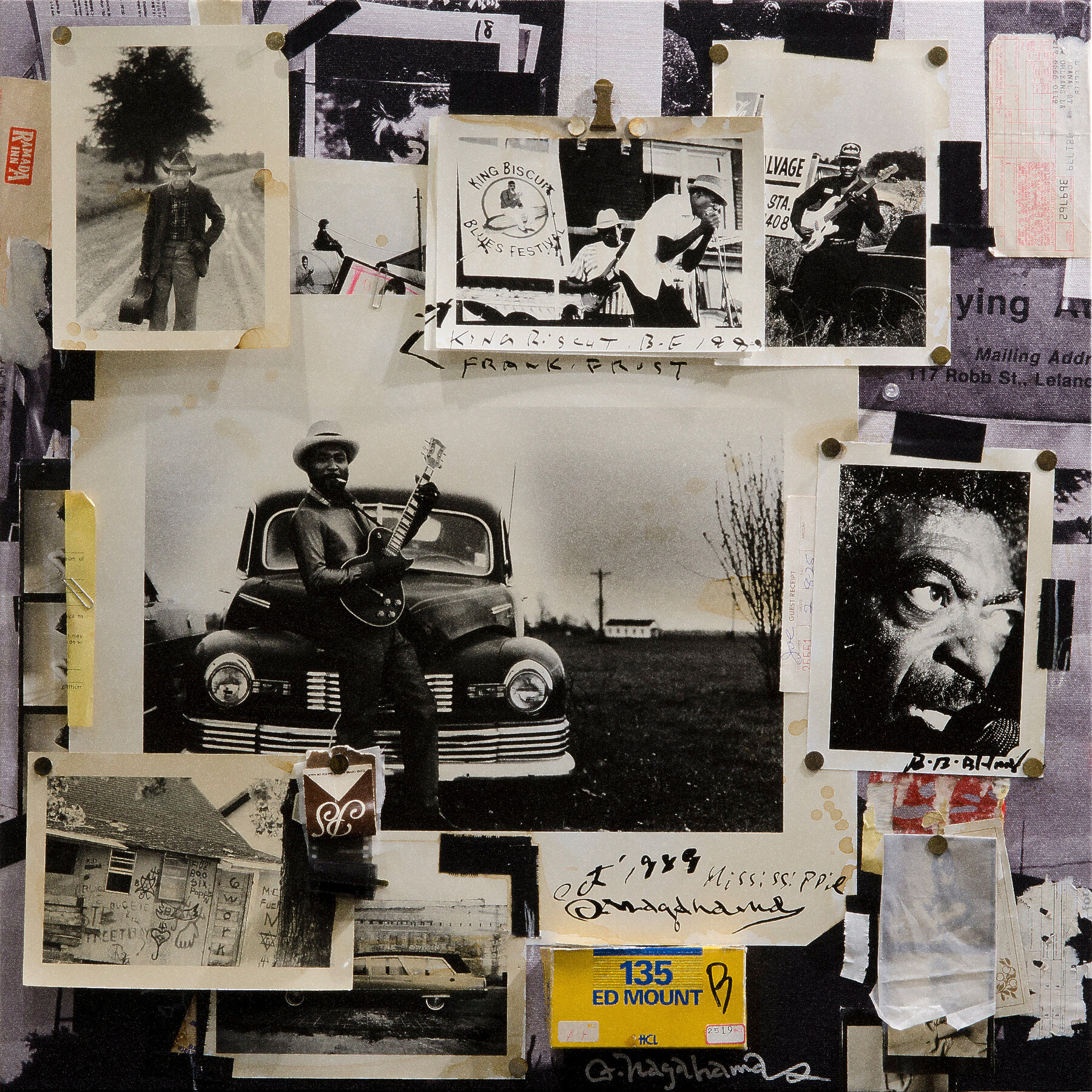
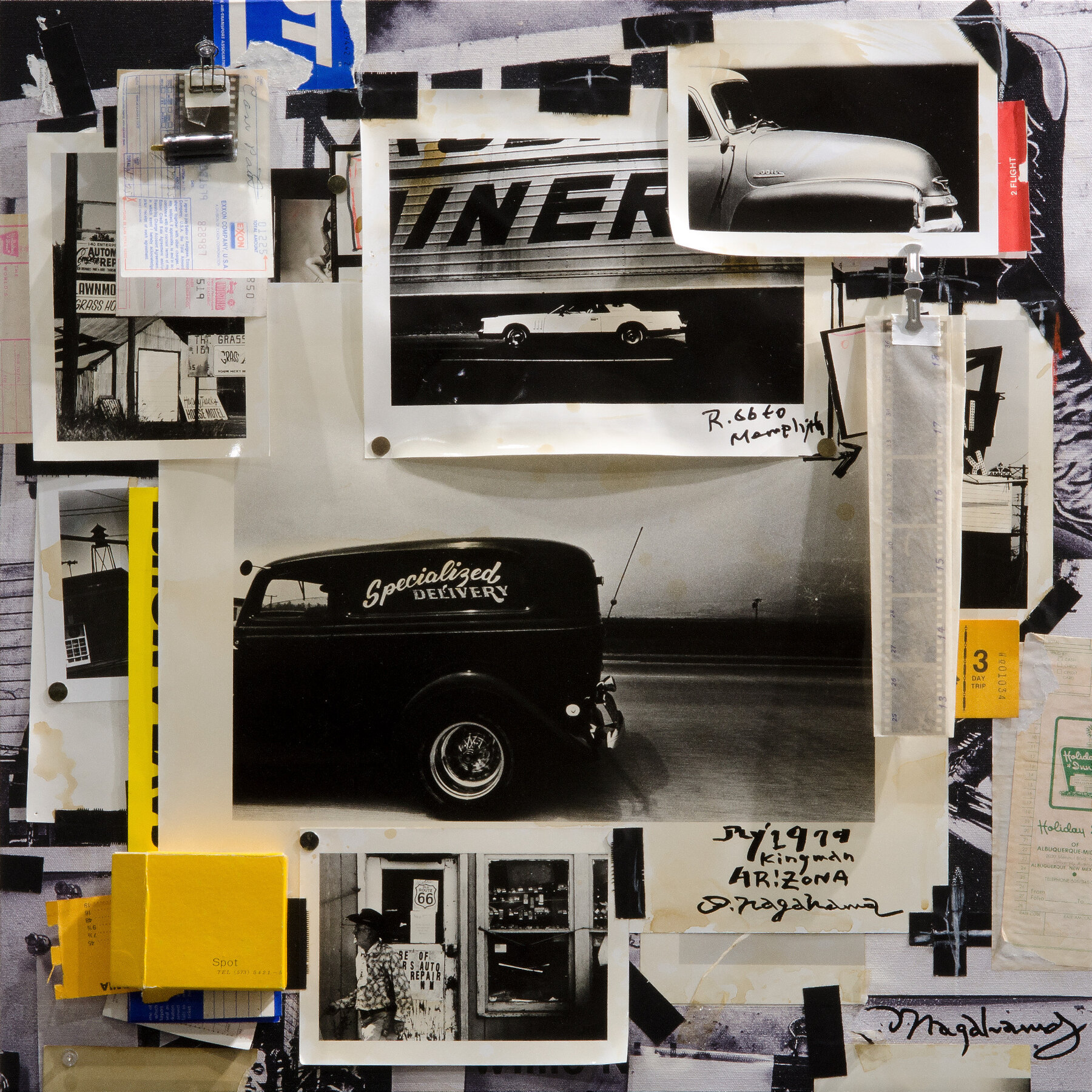
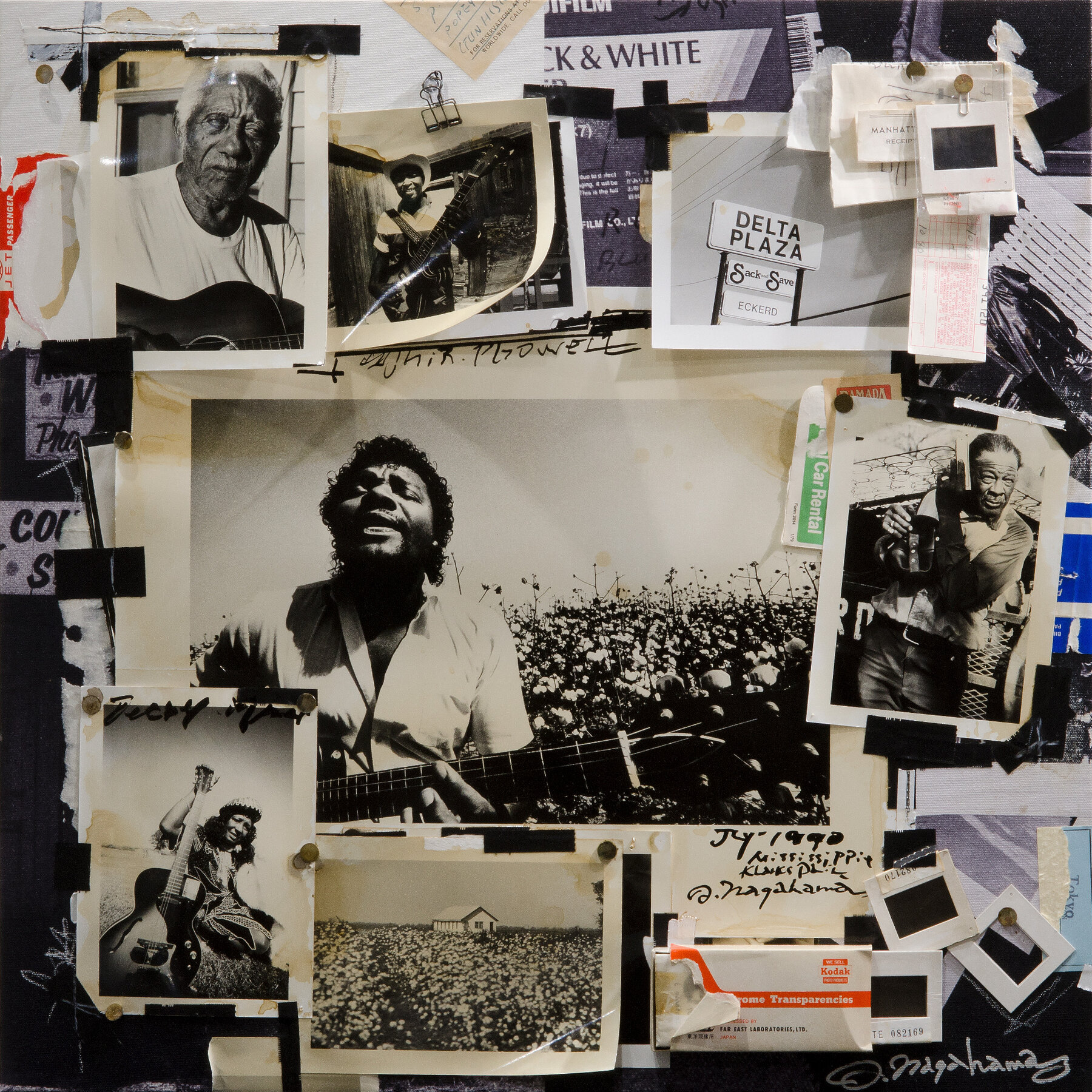
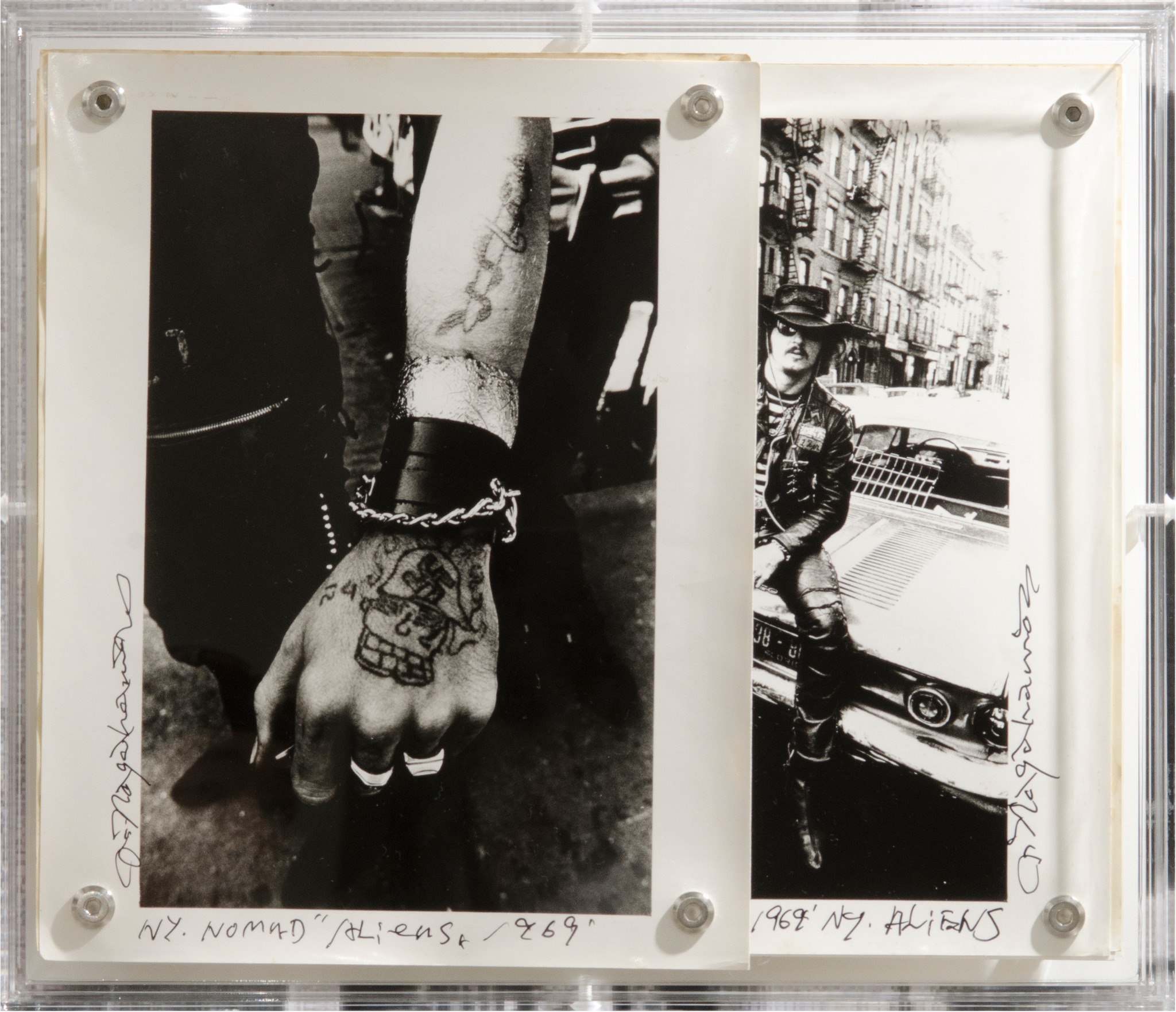
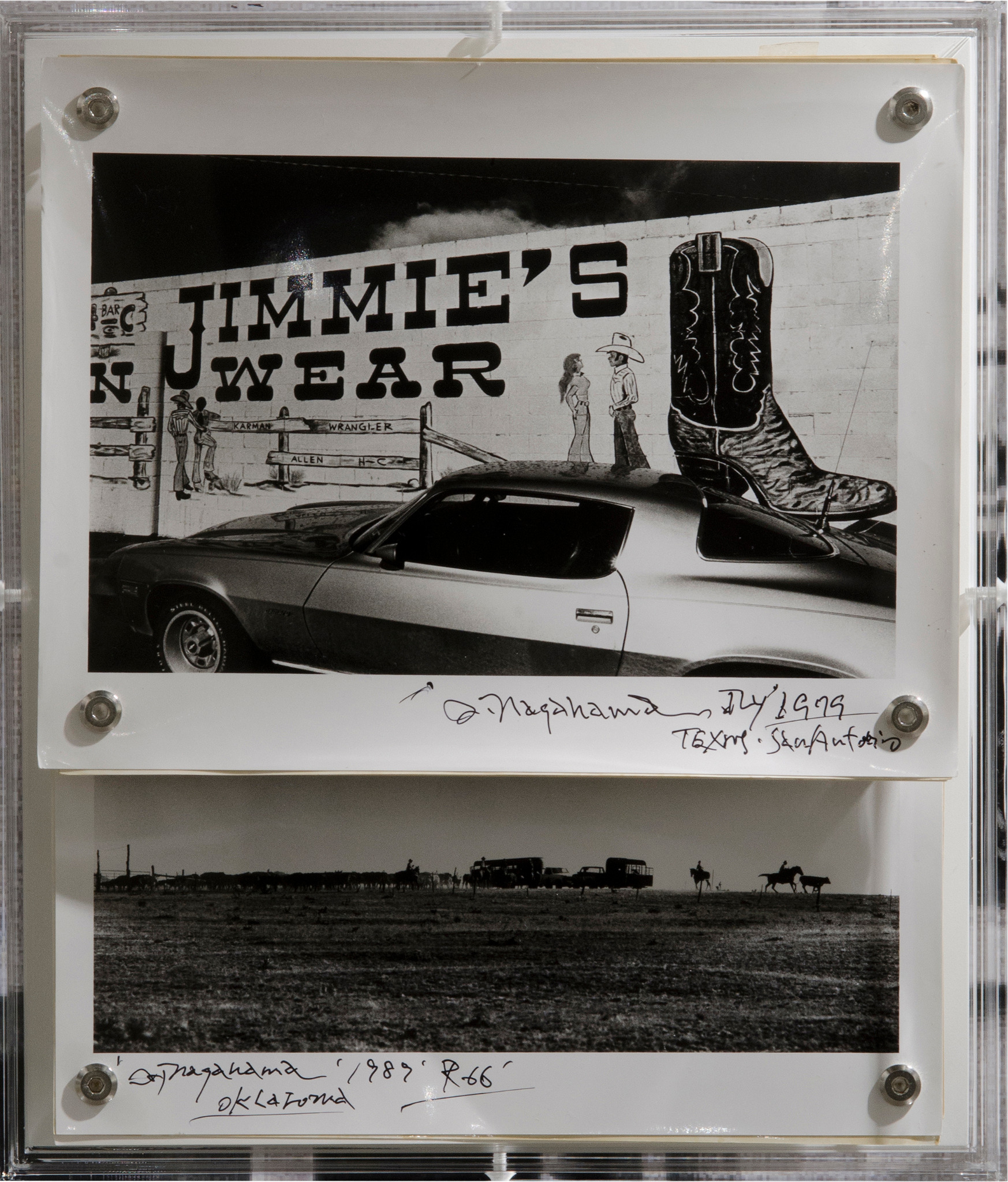
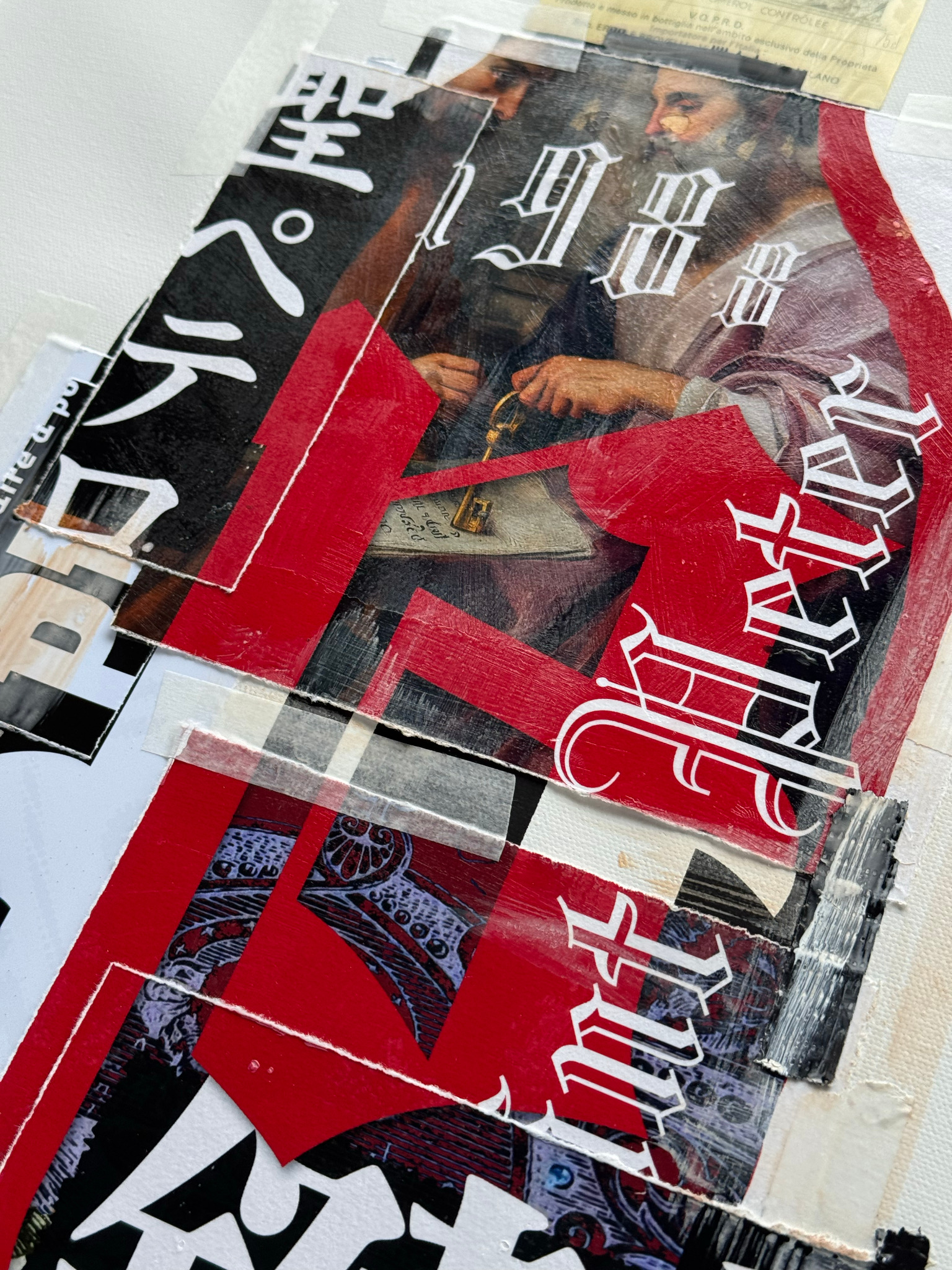
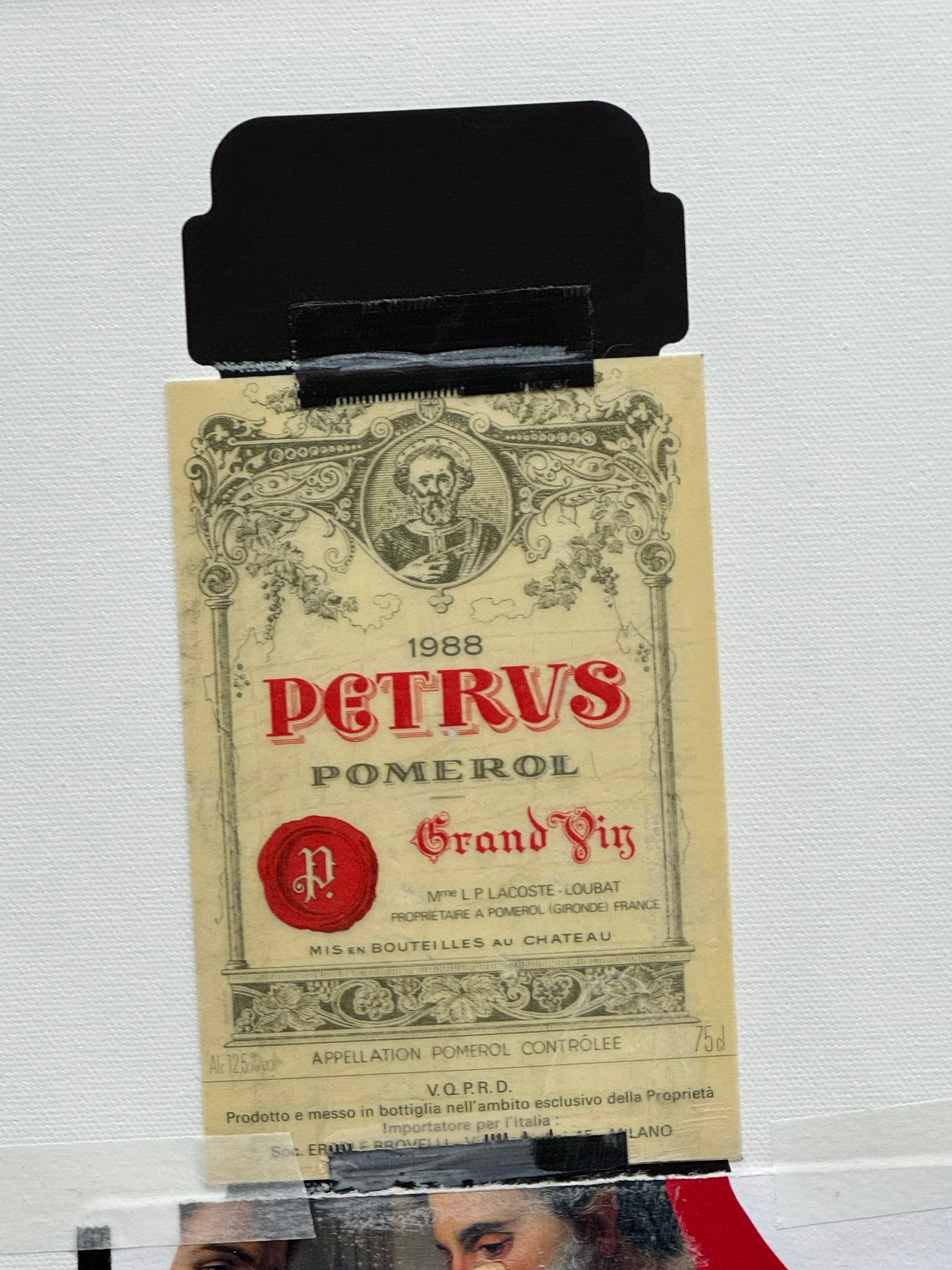
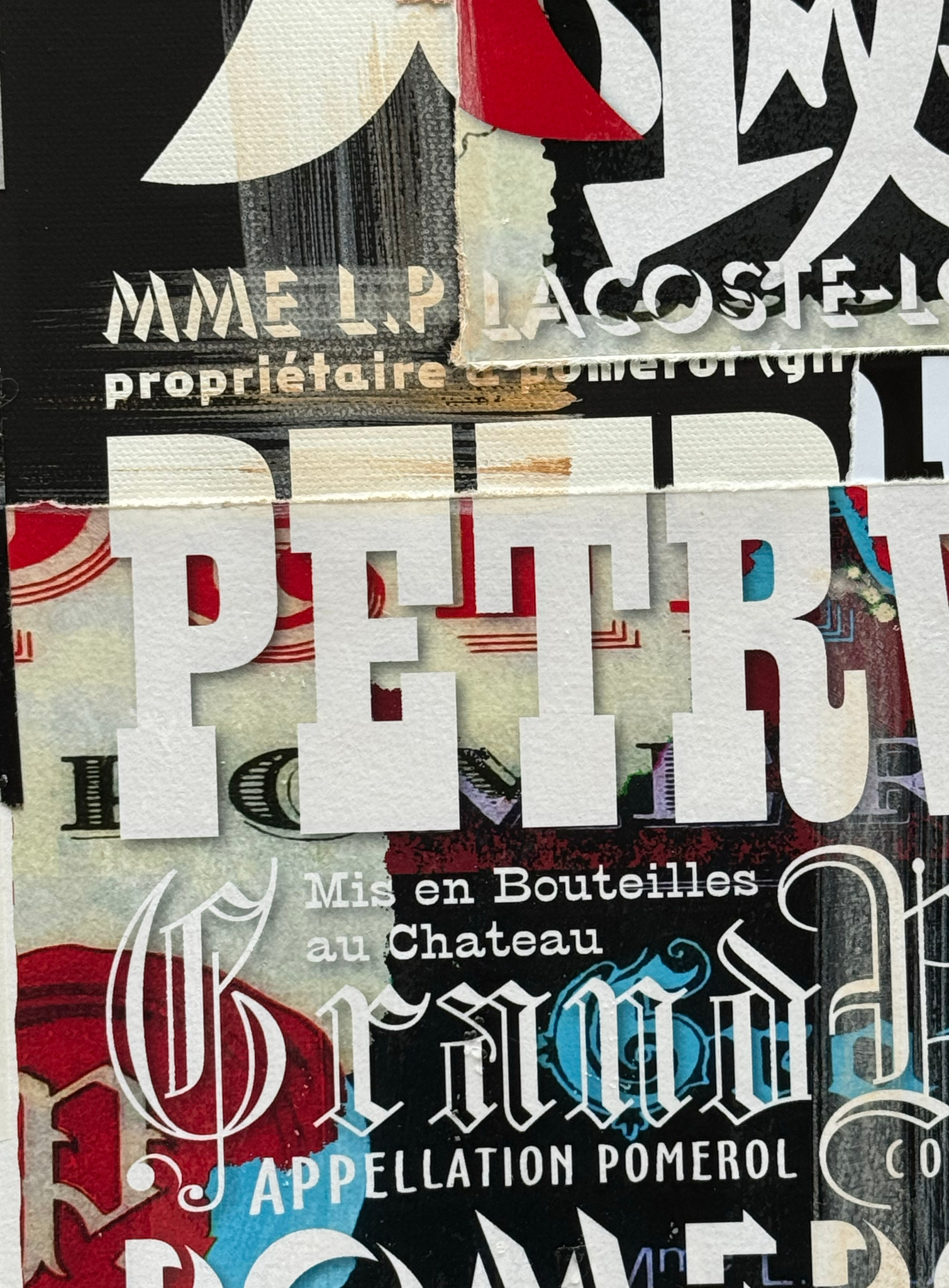
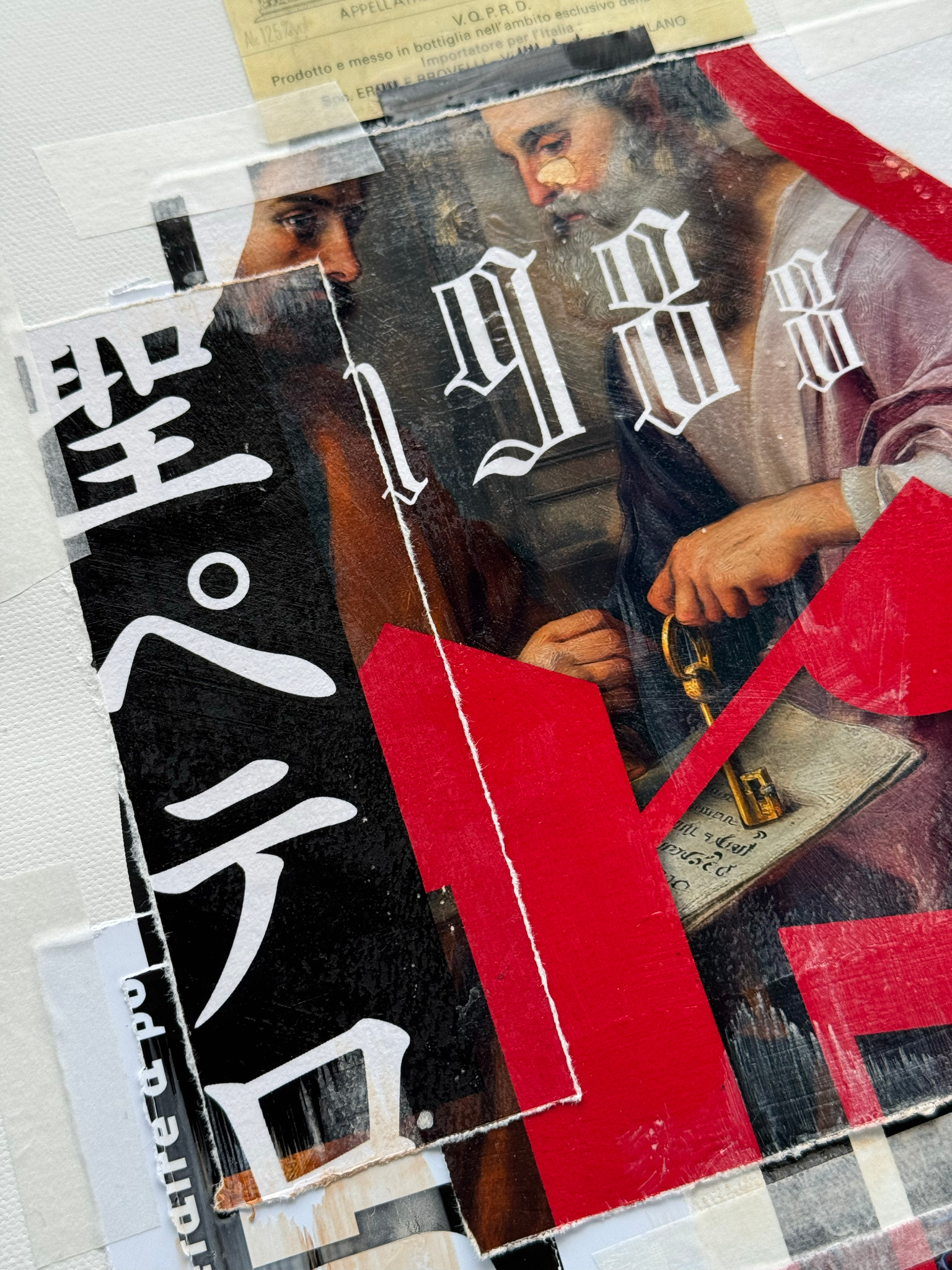
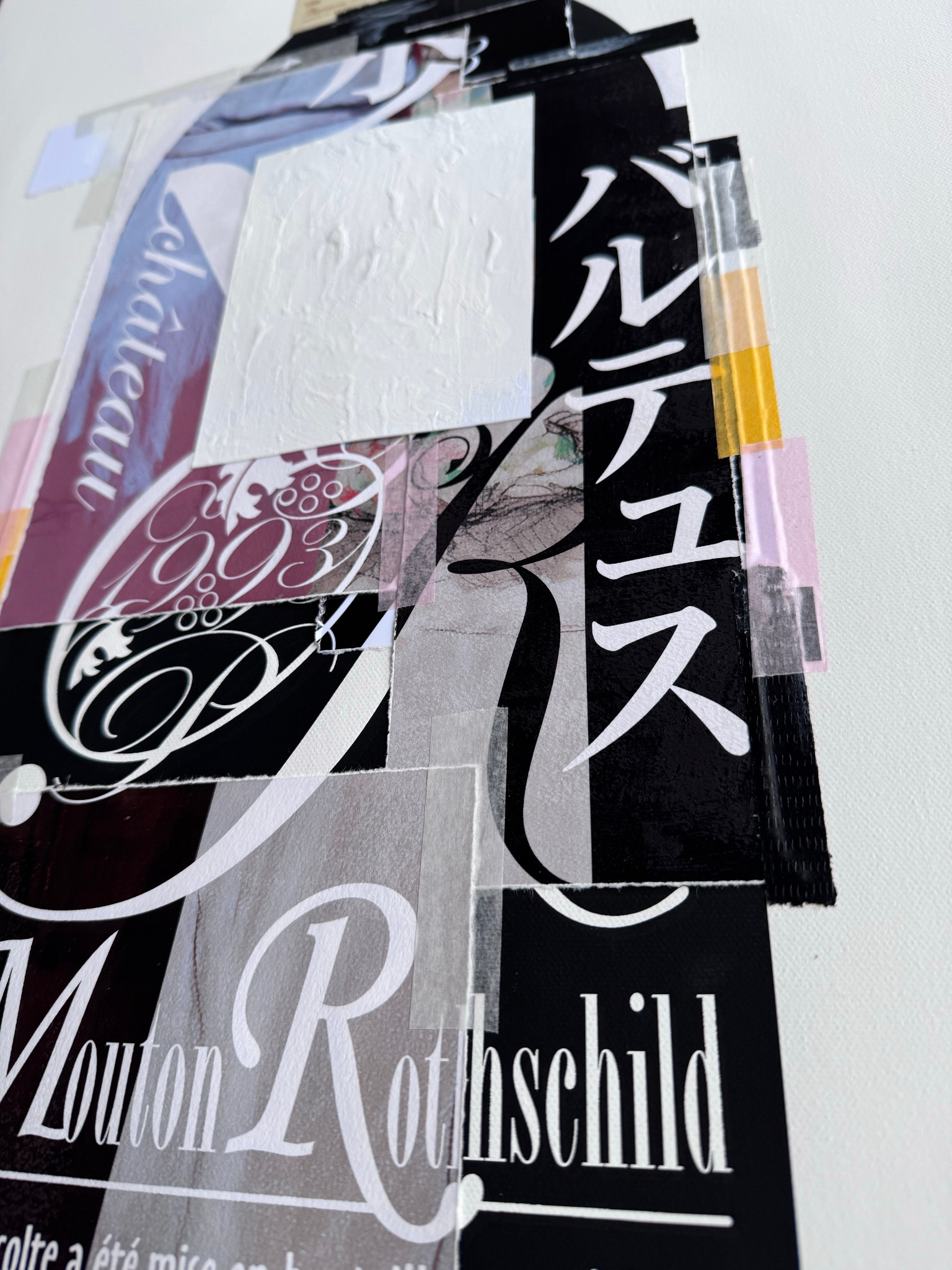
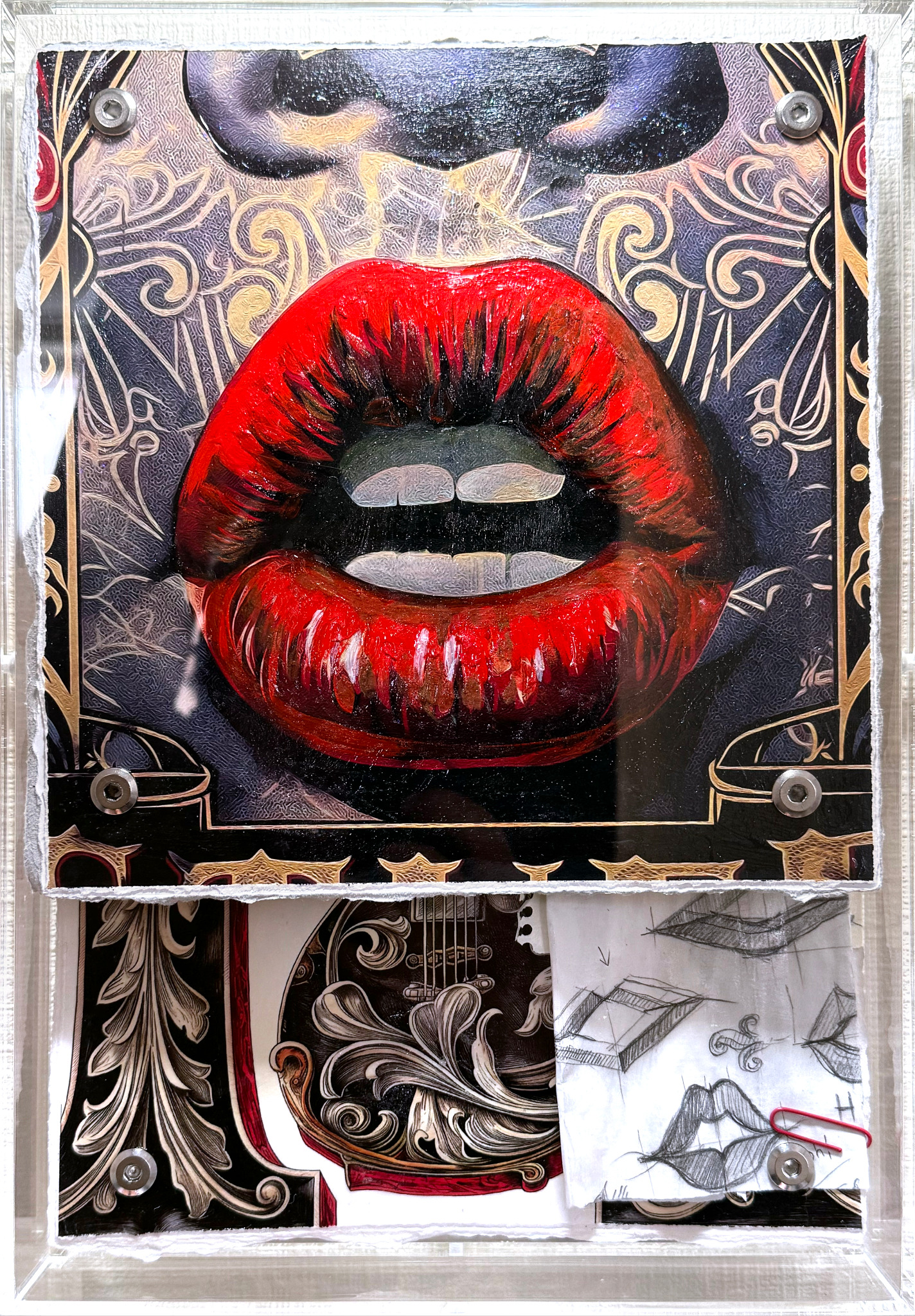
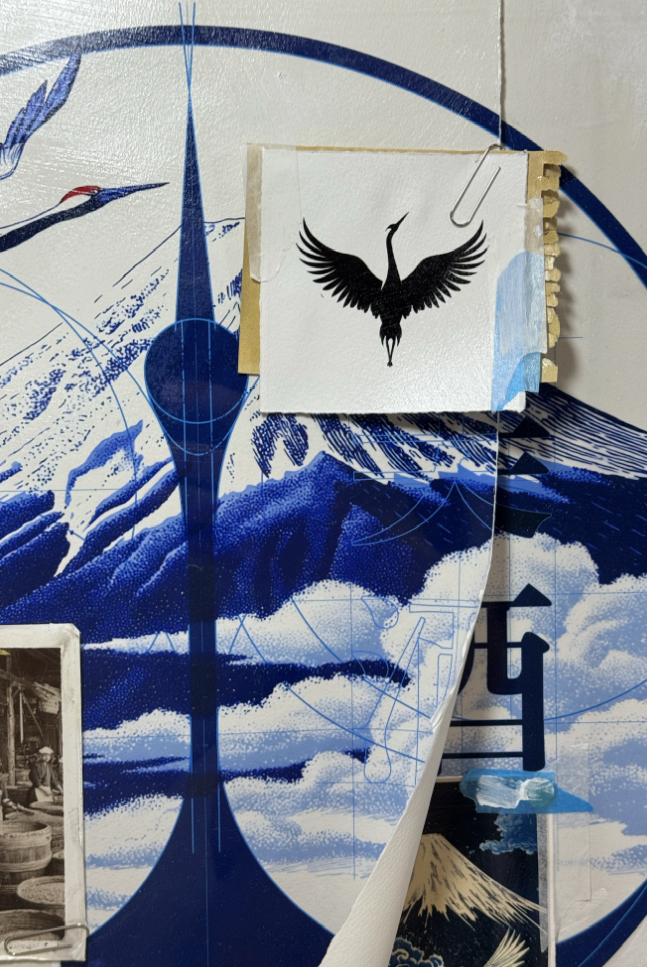
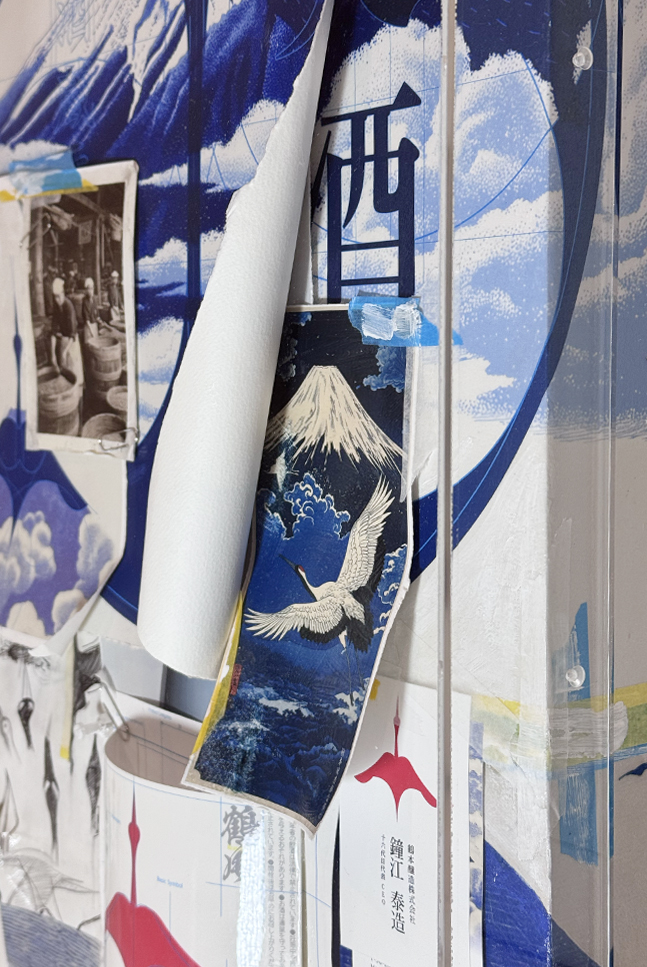
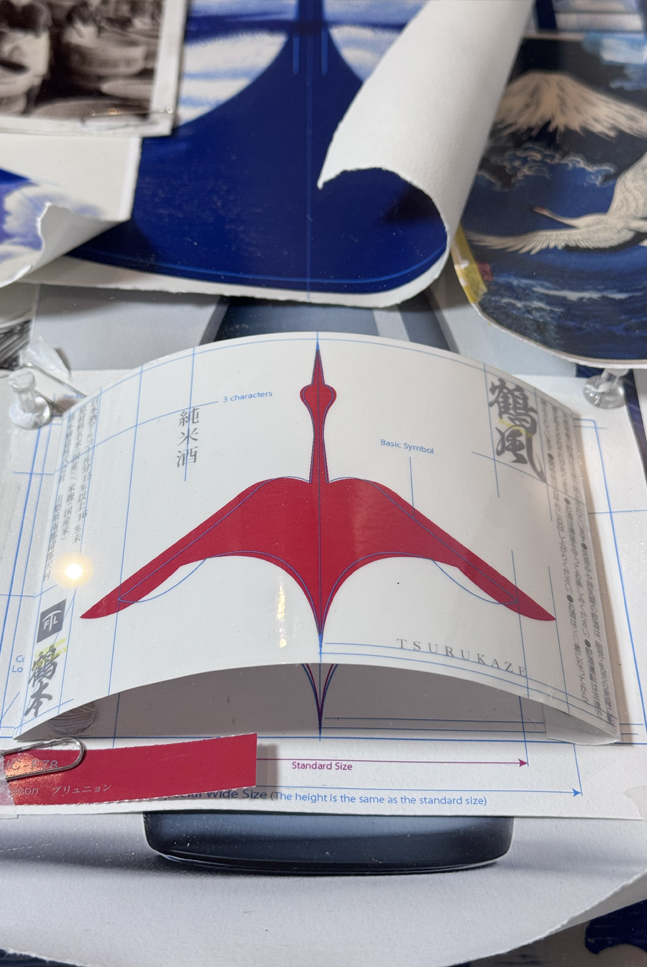
私は長濱氏とともに事務所に残された膨大なプリントの中から素材を選んだ。撮影当時の出来事や旅の記憶に耳を傾けながら1960年代から現在へと続く時間をたどり、散在していた断片を物語の糸を紡ぐように一つひとつの作品へと仕上げていった。一部の作品では長い間事務所の壁に貼られていたプリントを実際に剥がし、傷や褪色や歪みを残したままキャンバスへ移している。プリントを切り離して重ね再構成した画面に着彩を加えた。さらに撮影の旅で残されたレンタカーの伝票やガソリンスタンドのレシート、ホテルやレストランの領収書、長濱氏の手書きのメモが自宅から見つかった。それらを当時の写真とともに画面へ重ねることで時空の密度が増していくのを感じた。
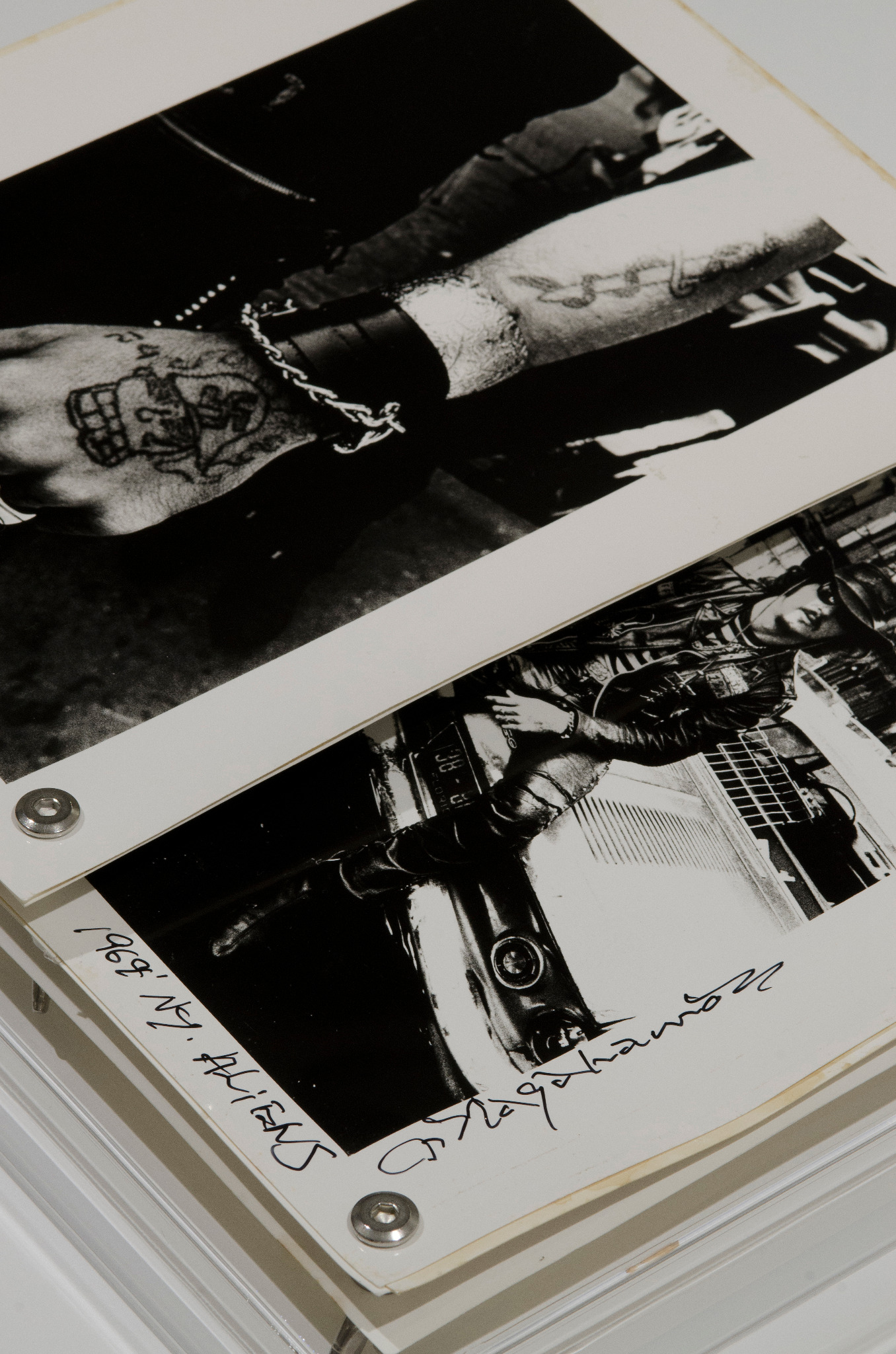
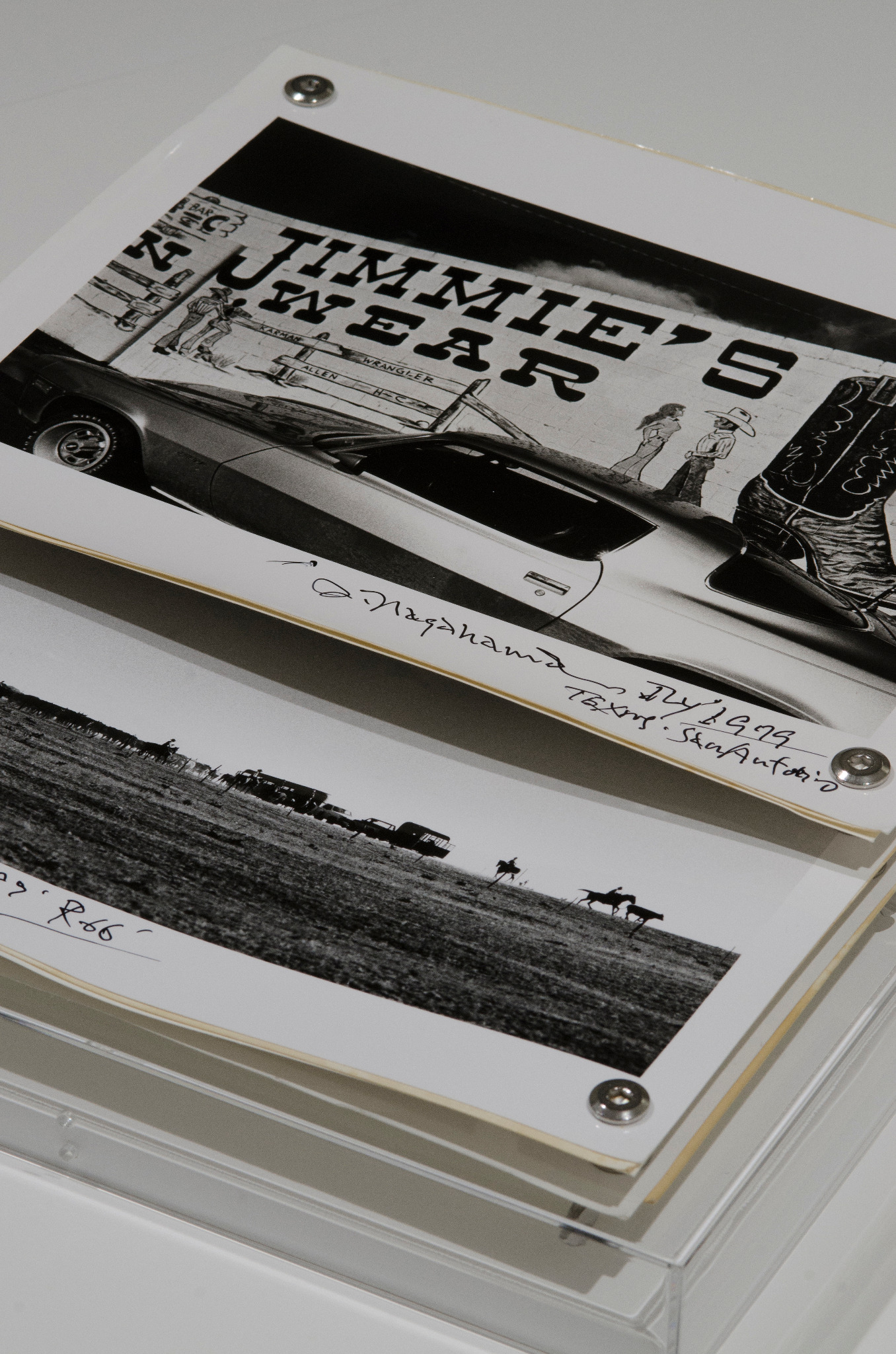
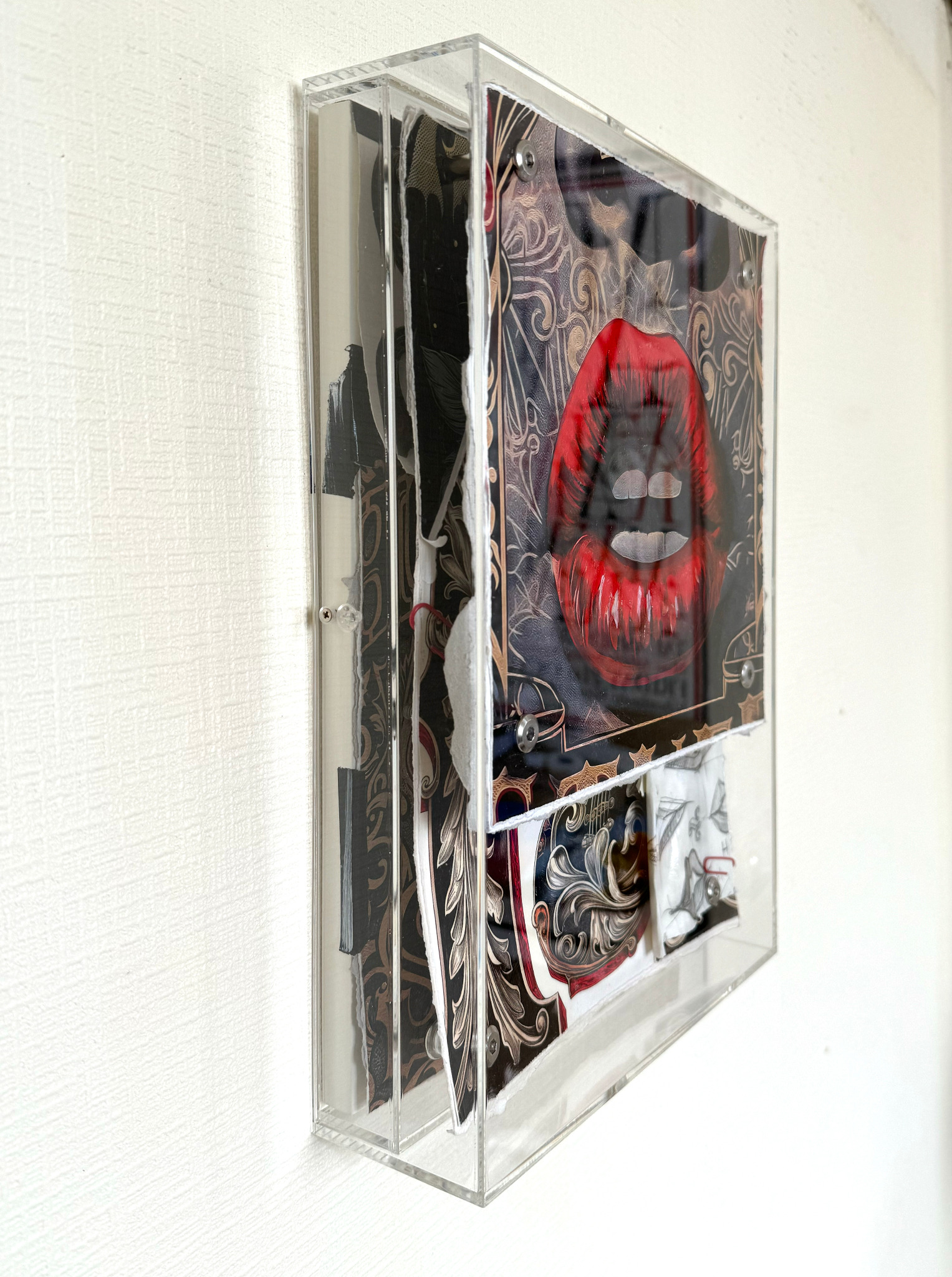
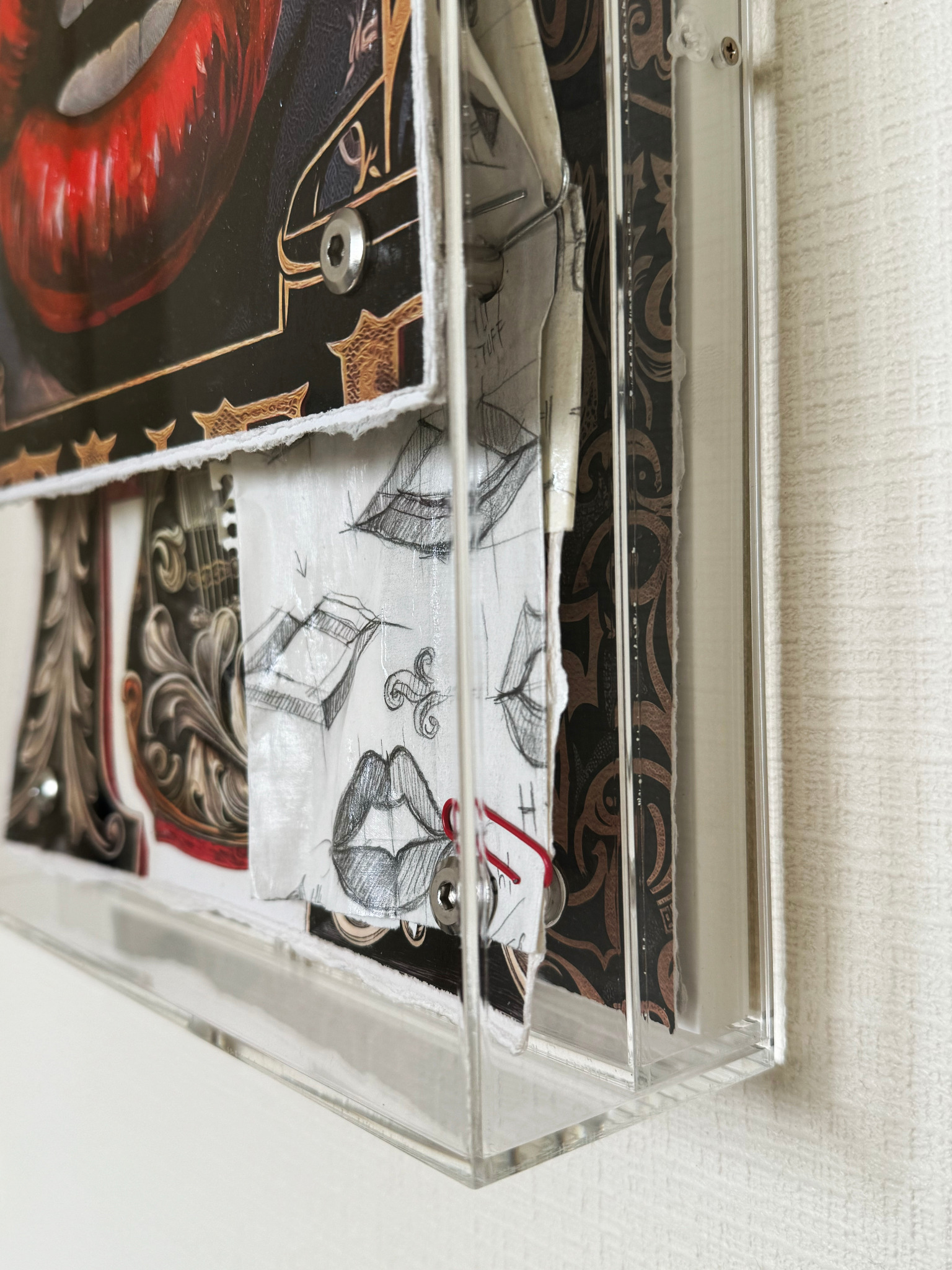
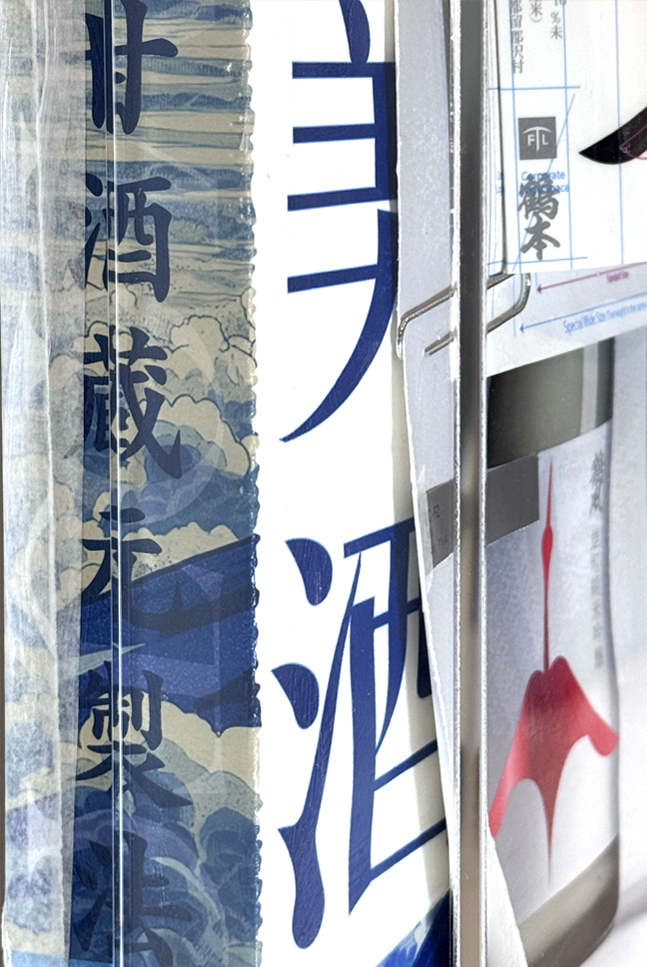
それらはすべて長濱氏の写真と同じ時間を生き数多くの場所を移動してきた素材である。偶然についた傷も褪せた色も破れた紙も書き残された文字も二度と同じ状態で再現することはできない。私はそれらを記憶の断片としてアクリルケースの中へ閉じ込め、複製することのできない一点ものの作品として完成させた。壁に描かれたグラフィティのようにその場所だけに存在していた時間の痕跡をアートへと変換する。失われていく記憶を歴史として一つのカプセルに封じ込める。
「CAPSULE — 時空回帰」は長濱治氏が積み重ねてきた長い時間と数多くの場所の記憶、そして私がその空間から受け取った感覚が交差することで生まれた唯一無二のコラボレーション作品である。
ONEILL
When I first visited Osamu Nagahama’s photographic studio in Nishi-Azabu, I was struck by the overwhelming energy rising from the space. In July 2019, the studio marked its fiftieth anniversary. Its walls held layer upon layer of traces from half a century of Nagahama’s creative work and exploration.
Countless prints had remained on those walls for decades, fading and changing shape with time. The smell of paper and chemicals. The density of the air. The sounds surrounding me. Standing in a place where past and present seemed to coexist, I knew instinctively that the studio itself was a work of art—born beyond the limits of time and space, and impossible for anyone to reproduce.
Osamu Nagahama is one of Japan’s leading photographers. Since the 1960s, he has continued to photograph both the world’s center stage and what unfolds behind it. His photographs preserve not only historic events and people, but also the atmosphere of an era, the ways people lived, the temperature of light, and even the scent of the streets. To engage with Nagahama’s photographs was also to layer my own senses onto the time and place in which each image had been made. In this body of work, I set out to dismantle the time and space accumulated within the studio—an extension of Nagahama himself—and reconstruct it as art. Past and present, time and space, light and shadow. I brought fragments of different memories into a single field, allowing them to intersect and generate a new sense of time.
Together with Nagahama, I selected materials from the vast number of prints preserved in the studio. Listening to his memories of the events and journeys surrounding the photographs, I traced a path through time from the 1960s to the present, gathering scattered fragments and shaping each work as though threading a story.
In some pieces, I physically removed prints that had been fixed to the studio walls for many years and transferred them to canvas, retaining their scratches, fading, and distortion. In others, I cut apart, layered, and reassembled the prints, then added paint. I also incorporated rental-car documents, gas-station receipts, hotel and restaurant bills from photographic journeys, together with Nagahama’s handwritten notes.
All of these materials had lived through the same time as Nagahama’s photographs and traveled across countless places. Every accidental scratch, faded color, torn edge, and handwritten mark is impossible to reproduce in precisely the same state. I sealed these fragments of memory inside acrylic cases, completing each work as a unique, unrepeatable object.
Like graffiti drawn across a wall, I transformed traces of time that had existed only in that place into art, sealing memories at risk of disappearing into a single capsule of history.
CAPSULE — A Return Through Time and Space is a singular collaboration, born where the long span of time accumulated by Osamu Nagahama, the memories of countless places, and the sensations I received from that space intersect.
ONEILL