正六角形の縁起物。
2018年 亀屋清永
An Auspicious Hexagon.
2018 KAMEYA KIYONAGA
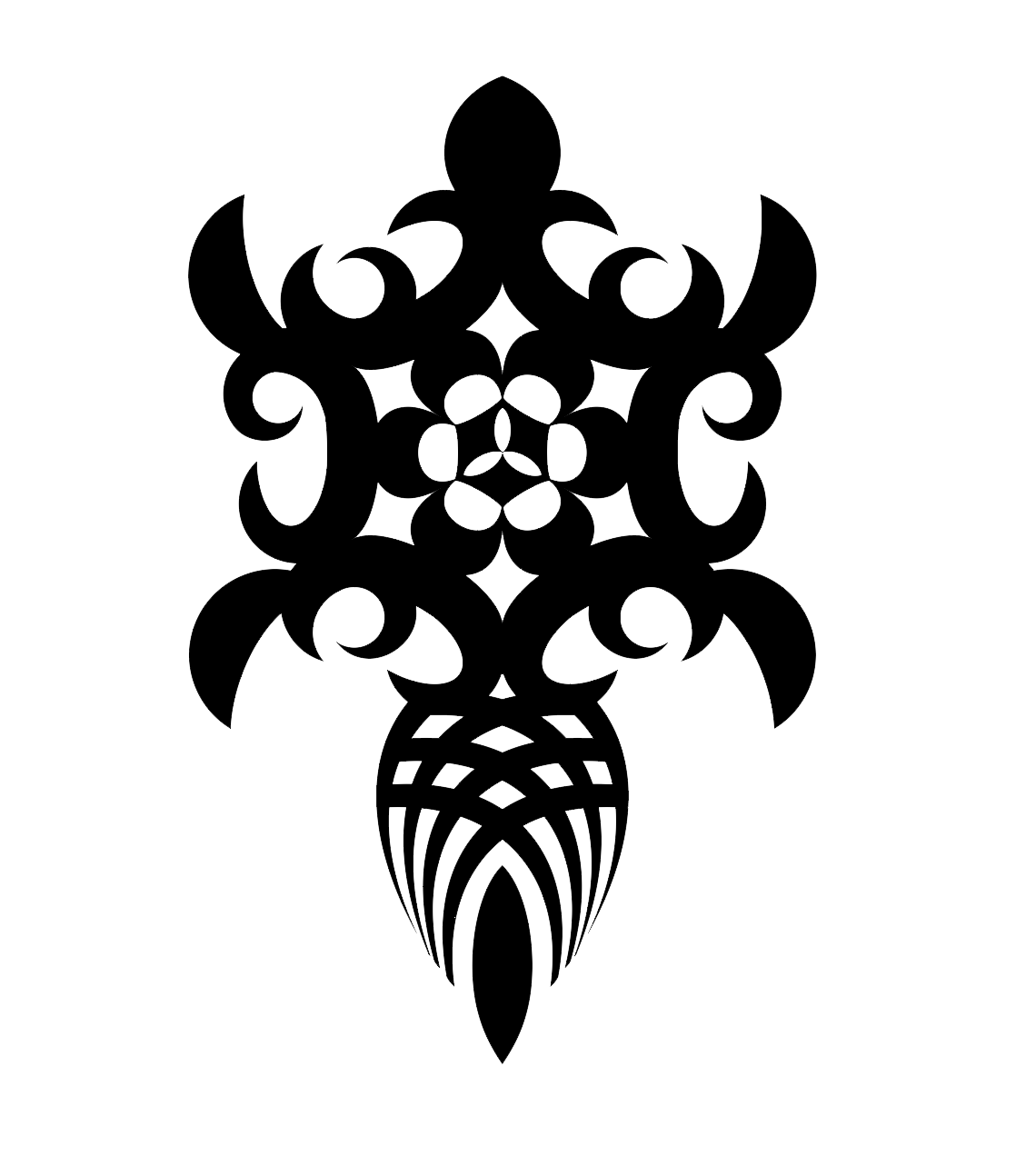
私は2018年、京都・祇園に本店を構え、元和3年(1617年)の創業と伝えられる京菓子司「亀屋清永」の、亀をモチーフとした図案と、商品パッケージに使用する九つの亀甲図案を制作しました。
亀屋清永は寺町三条北入で創業したと伝えられ、当初は「亀屋冶兵衛」の屋号を用いていました。江戸時代には禁裏御用達を許された京御菓子司28軒の一つに数えられ、400年以上にわたり京菓子の伝統を受け継いでいます。
図案の基本としたのは、亀の甲羅をかたどった正六角形の「亀甲」です。亀甲は長寿や繁栄への願いが込められた吉祥文様として、古くから文様や家紋などに用いられてきました。
近年では、日常生活の中で家紋に触れる機会は少なくなりましたが、家紋は家や人の由来、願い、記憶を一つの形に込めて伝える、日本独自の視覚文化です。その考え方を受け継ぎ、亀甲の中に自然界に見られる雪の結晶や季節の花、植物などの造形を取り入れ、京の四季を感じさせる現代的な図案として再構成しました。
In 2018, I created a turtle-inspired graphic and nine hexagonal kikko patterns for product packaging for Kameya Kiyonaga, a Kyoto confectioner headquartered in Gion and traditionally said to have been founded in 1617.
Kameya Kiyonaga is said to have begun in Teramachi Sanjo Kita-iru under the original trade name Kameya Jihei. During the Edo period, it was counted among the twenty-eight Kyoto confectioners permitted to serve the Imperial Court, carrying forward the traditions of Kyoto confectionery for more than four centuries.
The designs are based on the regular hexagon of the kikko, a form derived from the pattern of a turtle shell. Long used in Japanese ornament and family crests, kikko is an auspicious motif associated with wishes for longevity and prosperity.
Although opportunities to encounter family crests in everyday life have become less common, they remain a distinctive Japanese visual culture in which origins, wishes and memories are expressed through a single form. Building on this idea, I incorporated forms inspired by snow crystals, seasonal flowers and plants found in nature, reinterpreting them as contemporary patterns that evoke Kyoto throughout the four seasons.
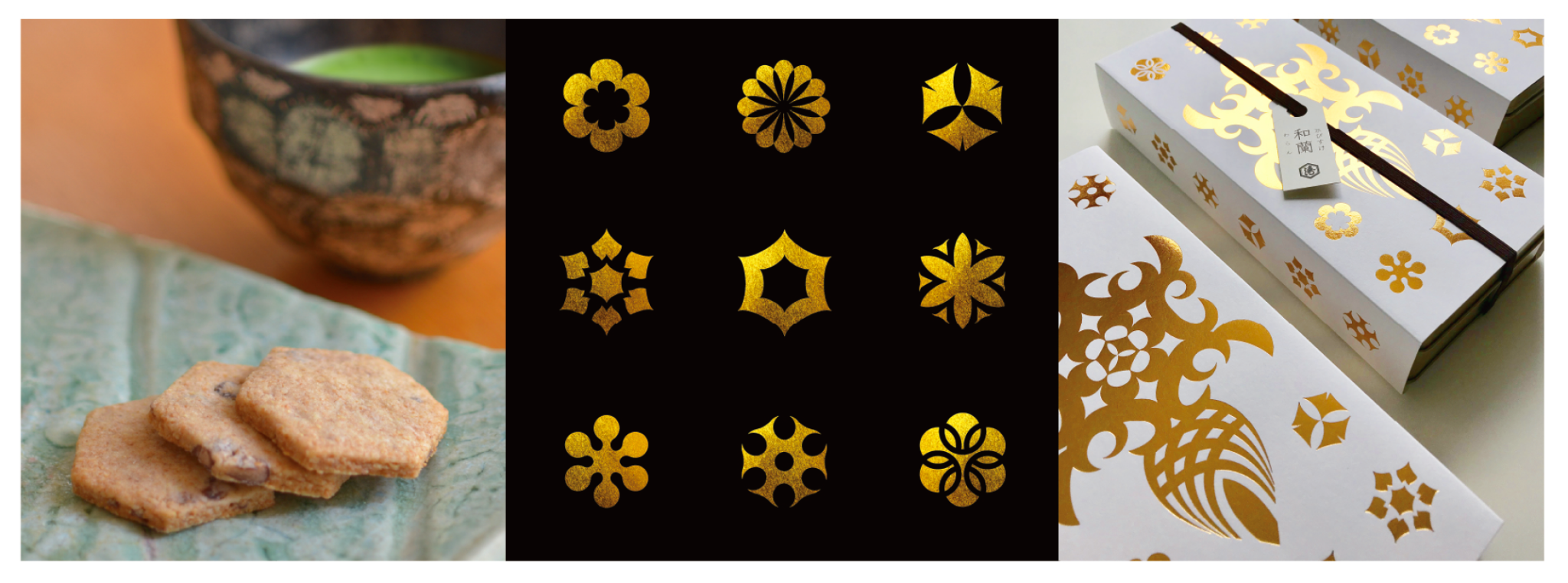
日本には、美しい四季があります。古くから親しまれてきた日本の小紋を思わせる図案によって、京都の春夏秋冬を表現しました。すべての図案は六角形の亀甲を基調に形づくられ、移ろう季節の美しさと、お客様を迎える「季節のおもてなし」を象徴しています。
Japan is blessed with four beautiful seasons. These designs express Kyoto through spring, summer, autumn and winter in patterns reminiscent of traditional Japanese komon. Each motif is formed from the hexagonal kikko structure, symbolizing both the beauty of the changing seasons and the spirit of seasonal hospitality.
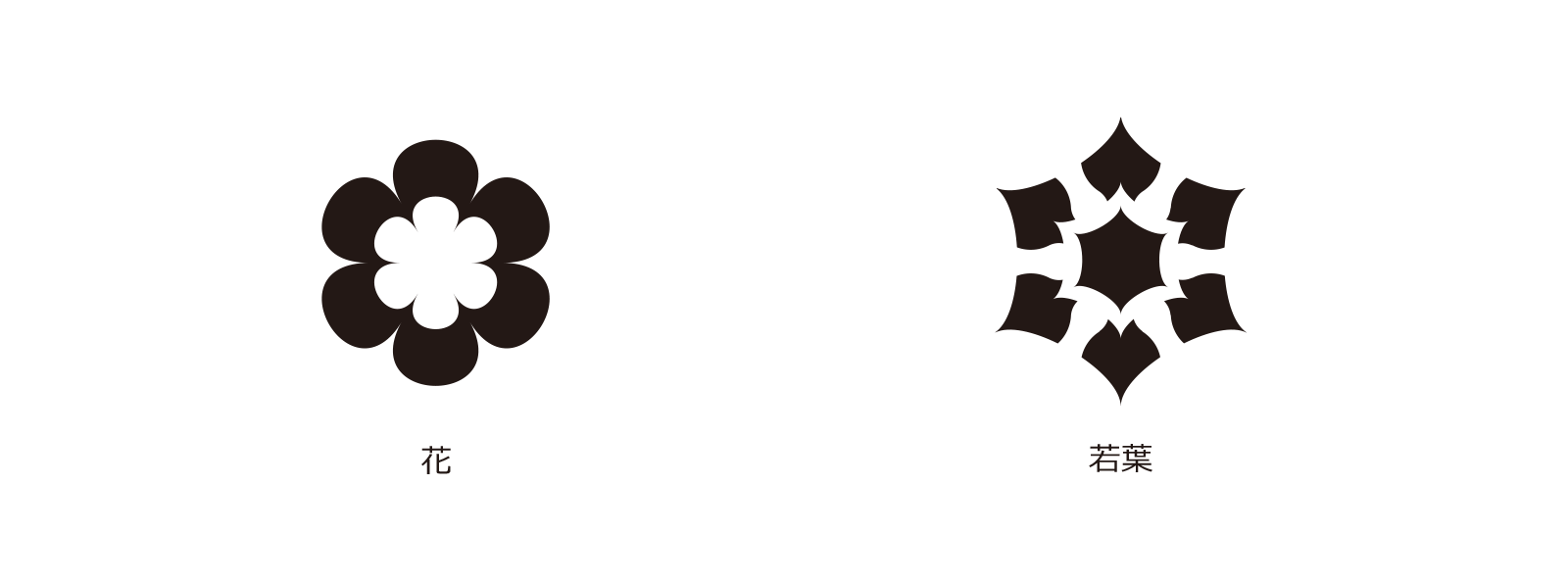
春 花と若葉
京都の春は、梅の花とともに始まり、やがて桜が寺社の境内や鴨川沿いを淡い色に染めていきます。花が散る頃には若葉が芽吹き、古都の景色は新しい生命の色に包まれます。花と若葉の図案に、春の移ろいを表現しました。
Spring — Flowers and Young Leaves
Spring in Kyoto begins with plum blossoms, followed by cherry blossoms that tint temple grounds and the banks of the Kamo River in delicate hues. As the flowers fall, fresh leaves emerge and the ancient capital is enveloped in the colors of new life. The flower and young-leaf motifs express this transition of spring.
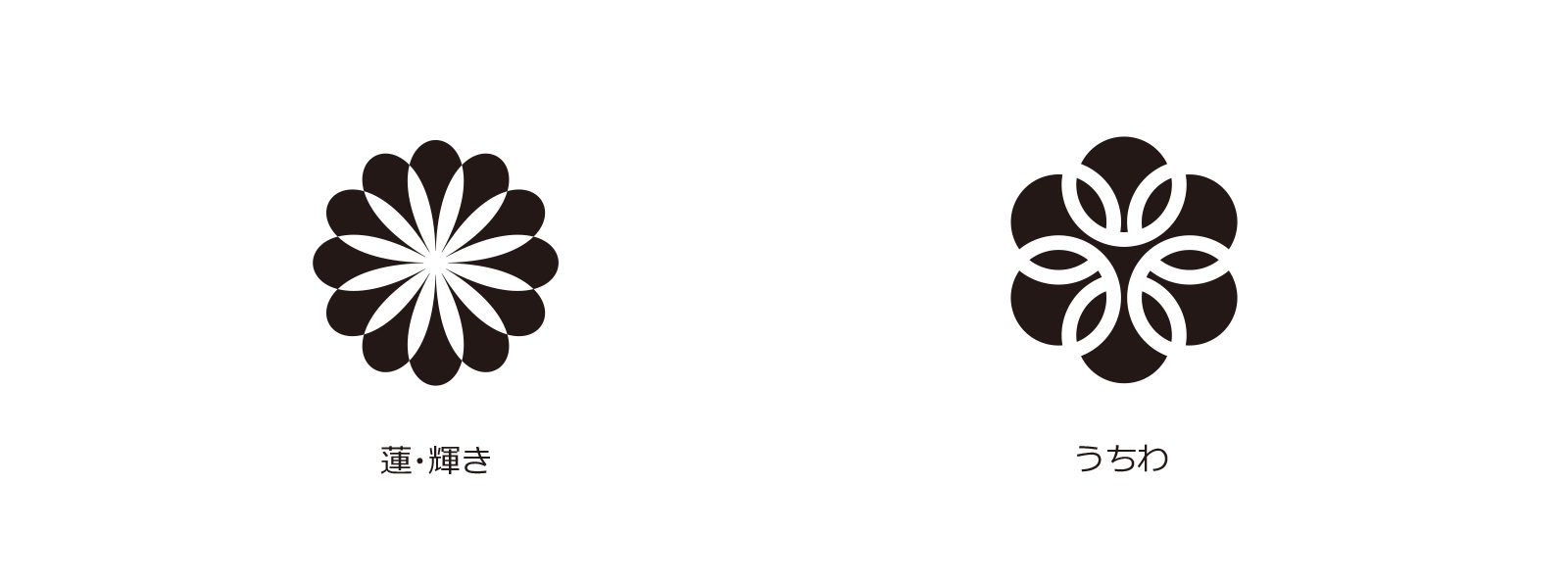
夏 蓮の花と、幻想的に輝く灯火
京都の夏は、盆地特有の熱気に包まれます。納涼床や町家の坪庭、すだれ、打水など、暮らしの中で涼をとる知恵が受け継がれてきました。お盆にはご先祖の精霊に灯明を捧げ、境内を淡く照らす灯りが幻想的な情景をつくります。
Summer — Lotus Flowers and Luminous Lights
Kyoto's summer is filled with the distinctive heat of its basin climate. The wisdom of finding coolness in daily life lives on in riverside dining platforms, townhouse courtyards, bamboo blinds and the sprinkling of water. During Obon, lights are offered to ancestral spirits, creating a dreamlike scene as temple grounds glow softly.
秋 銀杏と楓が彩る、京の秋
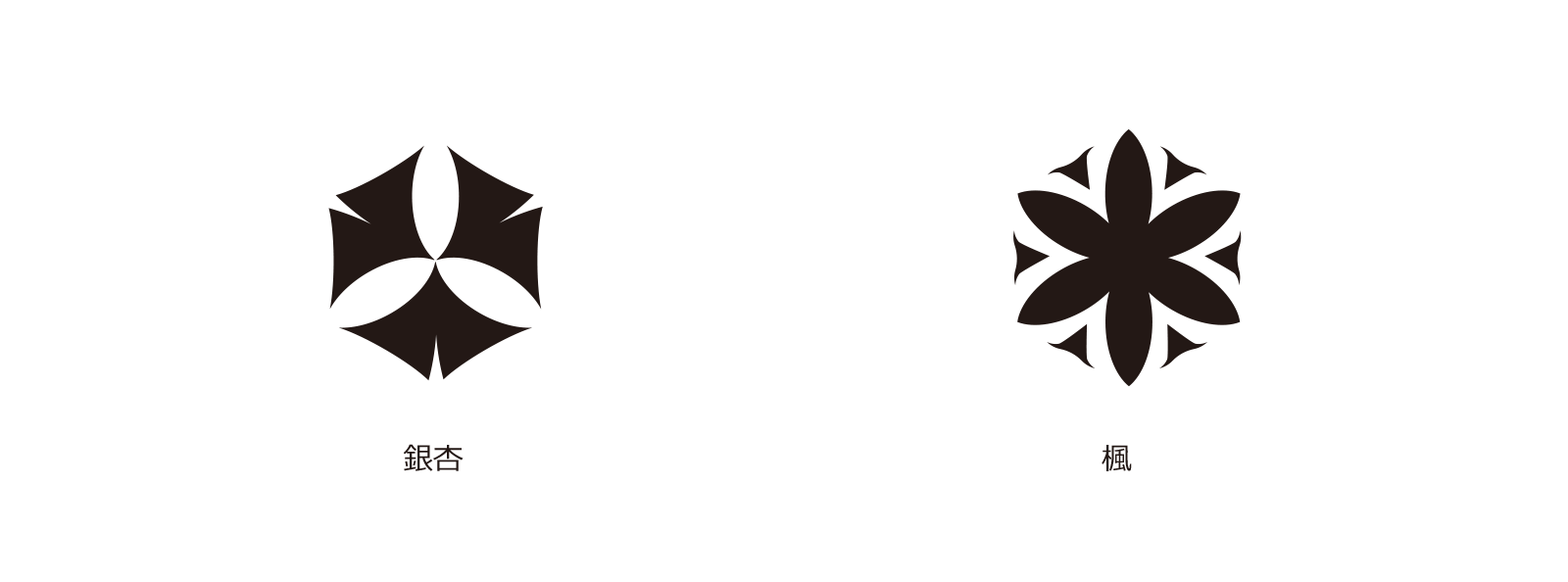
京都の秋は、銀杏が黄金色に輝き、楓が鮮やかな赤に染まる季節です。寺社の境内や庭、石畳に重なる二つの色が、古都の景色を美しく彩ります。銀杏と楓の図案に、移ろいゆく秋の時間と豊かな色彩を表現しました。
Autumn — Ginkgo and Maple Color Kyoto
Autumn in Kyoto is a season when ginkgo leaves glow golden and maple leaves turn vivid red. These two colors overlap across temple grounds, gardens and stone-paved paths, beautifully transforming the ancient capital. The ginkgo and maple motifs express the passing of autumn and its rich colors.
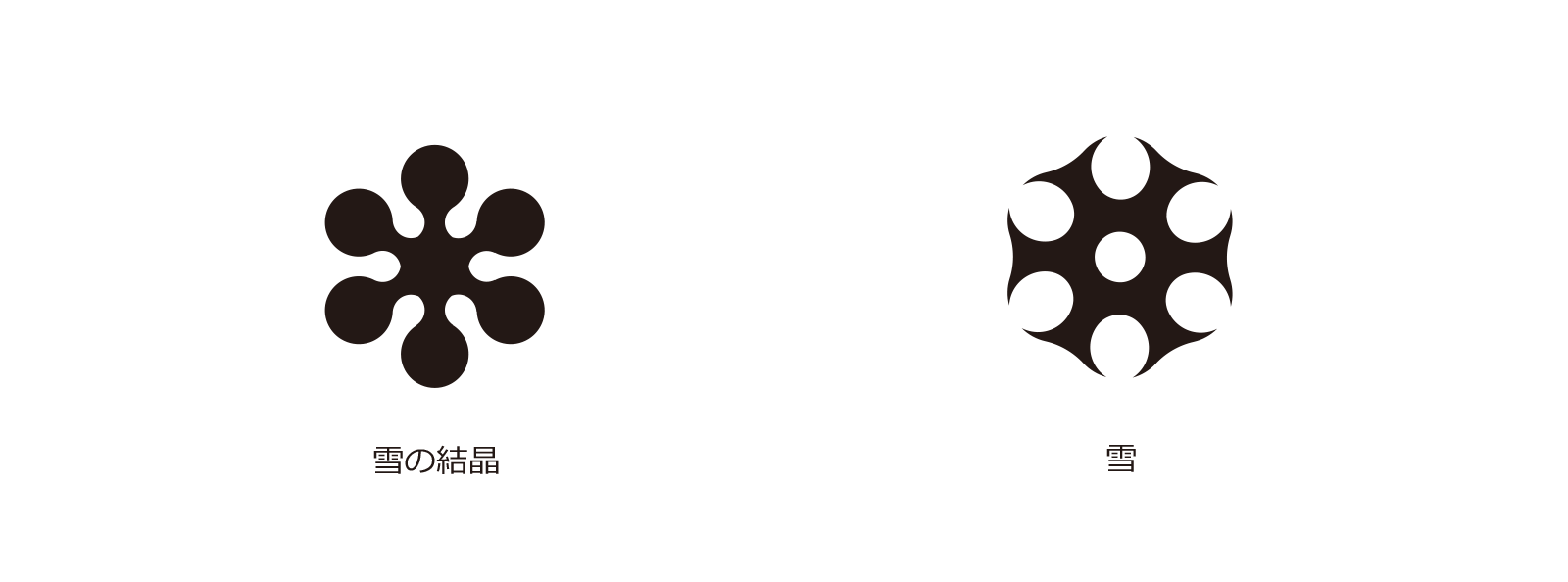
冬 静寂に包まれる、京の雪景色
京都の冬は、冷たい空気に包まれ、身体の芯まで冷える「京の底冷え」を感じる季節です。瓦屋根や庭石に雪が積もるなか、無病息災や新年の幸福を願う神事が各地で行われます。雪と結晶の図案に、静けさと人々の祈りを表現しました。
Winter — Kyoto's Silent Snow
Winter in Kyoto brings a penetrating cold known as kyo no sokobie. As snow settles on tiled roofs and garden stones, rituals are held throughout the city to pray for good health and happiness in the coming year. The snow and crystal motifs express both winter stillness and the prayers of the people.
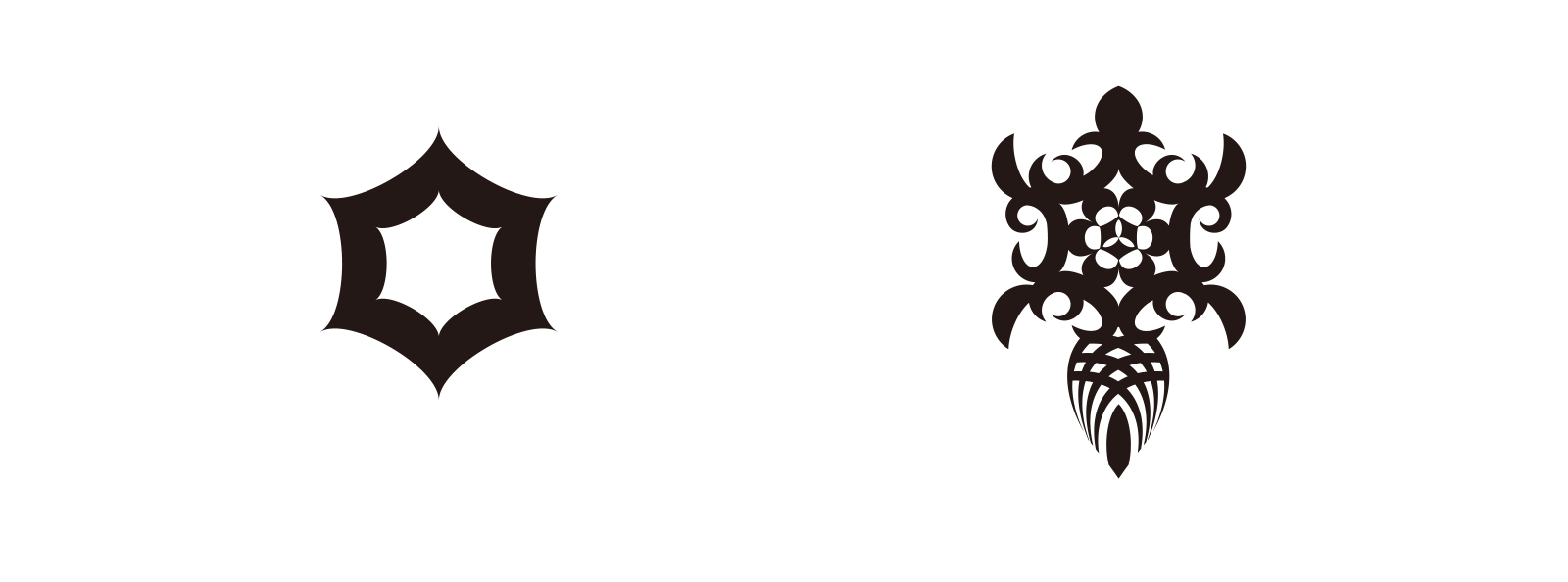
亀甲形 不老長寿を象徴する吉祥の造形
中国の伝説では、仙人が住む不老長寿の理想郷・蓬莱山を巨大な亀が背負ったとされています。日本でも亀は長寿を象徴する吉祥の存在として親しまれてきました。亀屋清永のシンボルマークを簡潔にアレンジした図案と、亀の姿を抽象的に再構成した図案によって、受け継がれてきた歴史に新しさと楽しさを加えました。
Kikko Forms — Auspicious Symbols of Longevity
In Chinese legend, a giant tortoise is said to carry Mount Penglai, the immortal realm inhabited by sages. In Japan, too, the tortoise has long been cherished as an auspicious symbol of longevity. One pattern offers a concise reinterpretation of Kameya Kiyonaga's symbol, while the other reconstructs the tortoise in an abstract form, bringing freshness and playfulness to an inherited history.
九つの図案はそれぞれ異なる季節の表情を持ちながら、正六角形という共通の形によって一つの世界をつくっています。伝統的な文様をそのまま再現するのではなく、自然の形を線や面へと置き換え、現代の商品パッケージにも自然になじむ簡潔な造形を目指しました。
亀甲柄の中に京の四季を表現することで、商品を包むための装飾にとどまらず、そこに込められた季節や願いが人から人へと伝わり、より深いコミュニケーションが生まれています。長く受け継がれてきた文化を現代の暮らしにつなぎ、新しい記憶として未来へ届けるための図案です。
Client: KAMEYAKIYONAGA
Art Direction / Design: Toshihiro Onimaru
Planning Direction: Takanori Aiba
Design Firm: GRAPHICS & DESIGNING INC.
Each of the nine patterns has a different seasonal character, while the shared hexagonal structure brings them together as a single visual world. Rather than reproducing traditional motifs unchanged, I translated natural forms into lines, planes and negative space to create a concise graphic language that sits naturally on contemporary packaging.
By expressing Kyoto's four seasons within the kikko form, the patterns move beyond decoration. The seasons and wishes carried within them pass from one person to another, creating a deeper form of communication. They connect a culture inherited over generations with contemporary life and carry it forward as a new memory.
Client: KAMEYAKIYONAGA
Art Direction / Design: Toshihiro Onimaru
Planning Direction: Takanori Aiba
Design Firm: GRAPHICS & DESIGNING INC.